
High above the city, the Getty Center opens one of the most resonant exhibitions in Los Angeles this season — a sweeping exploration of Black photography that reshapes how we understand image, authorship, and power.
Photography and the Black Arts Movement, 1955–1985 gathers work created during three transformative decades in American cultural life. These are not photographs that stand quietly on a wall. They insist. They document protest and possibility, intimacy and identity. They reflect a period when artists seized control of the lens and, in doing so, redefined visual culture.
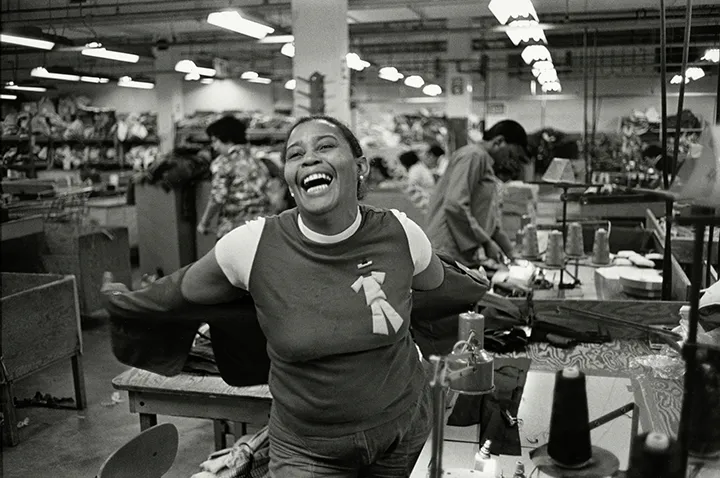
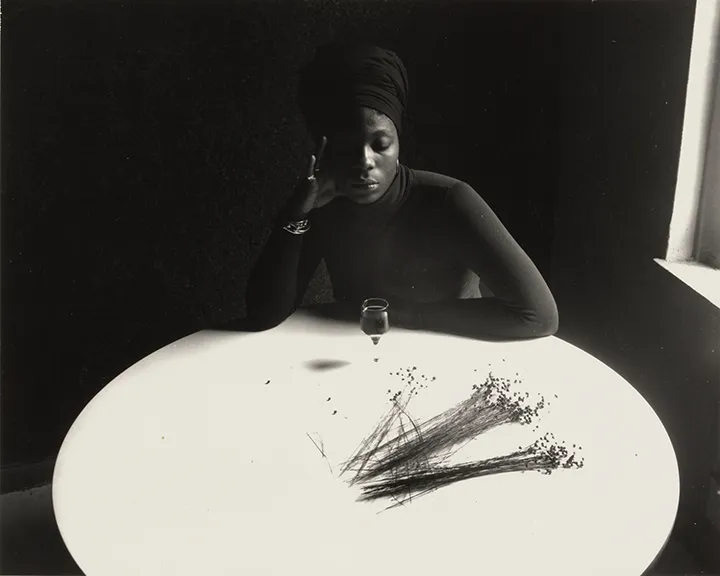
The Black Arts Movement is often discussed through poetry, music, and theater, but photography was equally vital. Cameras became instruments of self-definition. Portraits radiate dignity and defiance. Street scenes pulse with urgency. Domestic moments feel deliberate and composed, as if reclaiming narrative space.
Moving through the exhibition, you sense a dialogue unfolding across generations. Some images feel immediate and confrontational; others are restrained, almost meditative. Together, they reveal a layered history of representation — one shaped from within.
In a city built on imagery, a Black photography exhibition in Los Angeles carries particular gravity. Los Angeles has long exported pictures to the world. Here, the exhibition asks viewers to consider who frames those pictures, who preserves them, and who benefits from their circulation.
The Getty’s architecture, serene and expansive, provides an unexpected counterpoint. Sunlight filters through travertine corridors while inside, the photographs hold moments of tension, pride, resistance, and beauty. The contrast deepens the experience. Outside, the city stretches outward. Inside, the images draw you inward.
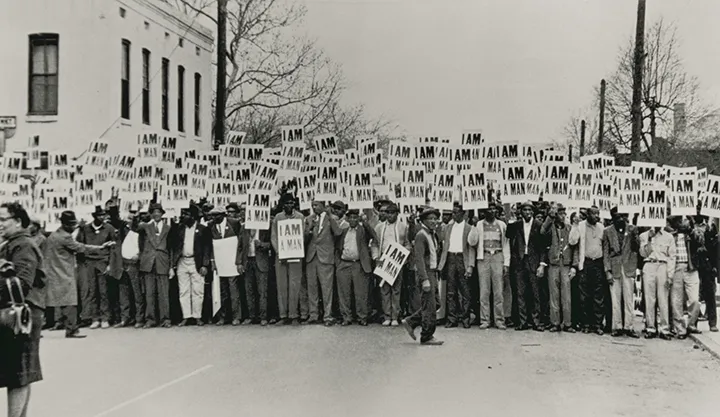
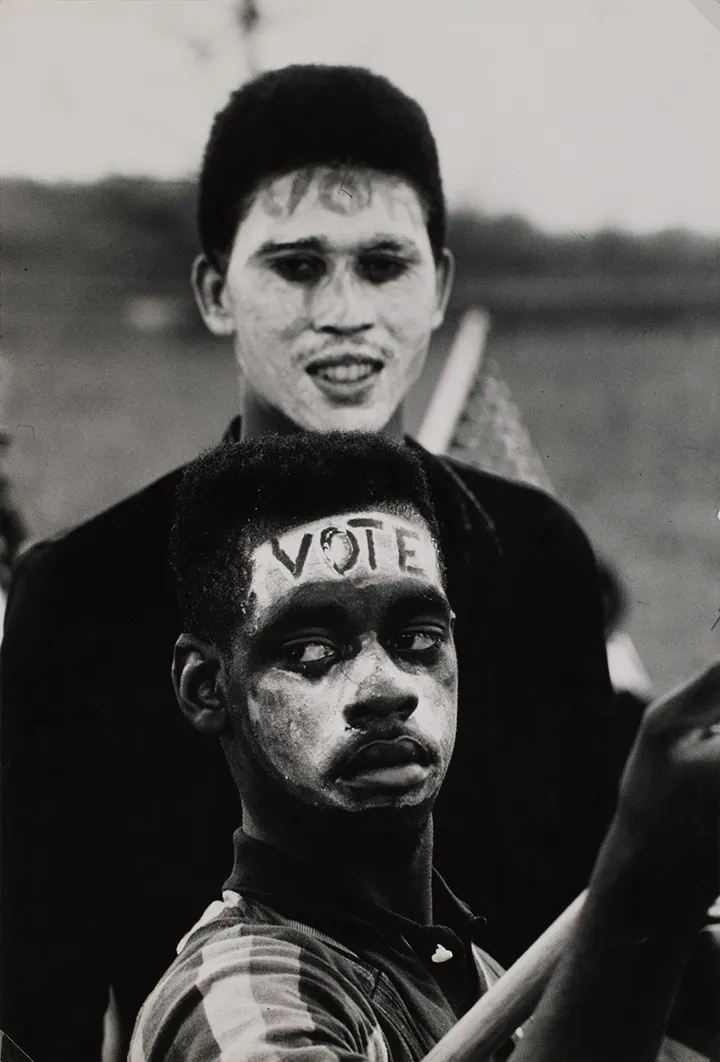
Between 1955 and 1985, the United States was reshaped by civil rights activism, political upheaval, and cultural reawakening. The artists in this exhibition were not observers standing apart from that change — they were participants. Their work does not simply record history. It asserts presence within it.
For Los Angeles, the exhibition reinforces the role of its museums as active cultural agents rather than passive repositories. It is a reminder that art exhibitions in Los Angeles are not merely seasonal attractions; they are part of an evolving civic conversation.
Photography and the Black Arts Movement, 1955–1985 is on view February 24 through June 14, 2026.
Exhibition Details
Venue: Getty Center
Address: 1200 Getty Center Drive, Los Angeles, CA 90049
Dates: February 24 – June 14, 2026
Hours: Typically 10 a.m.–5:30 p.m. (extended hours Saturday; closed Mondays)
Admission: Free; timed-entry reservation required
Parking: On-site garage (fee applies)
Website: www.getty.edu
Before planning your visit, check the museum’s official website for updated hours, ticketing information, and related programming.
Some exhibitions ask to be seen. This one asks to be considered — slowly, carefully, and more than once.
Images:
Top:
Genie, 1971, printed later
Ray Francis, (American, 1937–2006)
Gelatin silver print
J. Paul Getty Museum
© Estate of Ray Francis
2025.28.4
cover:
Ethel Sharrieff in Chicago, 1963
Gordon Parks (American, 1912–2006)
Gelatin silver print
National Gallery of Art, Washington. Corcoran
Collection (The Gordon Parks Collection),
2015.19.4631
© Gordon Parks Foundation
EX.2026.2.35
Top left:
Mom at Work, 1978–84
From the series Family Pictures and Stories
Carrie Mae Weems (American, born 1953)
Gelatin silver print
National Gallery of Art, Washington. Alfred H.
Moses and Fern M. Schad Fund, 2022.108.1
© Carrie Mae Weems
EX.2026.2.52
I Am a Man, Sanitation Workers Strike,
Memphis, Tennessee, March 28, 1968
Ernest C. Withers (American, 1922–2007)
Gelatin silver print
National Gallery of Art, Washington. Alfred H.
Moses and Fern M. Schad Fund, 2023.87.1
© Dr. Ernest C. Withers, Sr. courtesy of the
WITHERS FAMILY TRUST
EX.2026.2.60
Two Teenaged Supporters of the Selma March,1965,
printed about 1970
Moneta Sleet Jr. (American, 1926–1996)
Gelatin silver print
Saint Louis Art Museum, Missouri. Gift of the Johnson
Publishing Company
© Johnson Publishing Company Archive. Courtesy
J. Paul Getty Trust and Smithsonian National Museum of African
American History and Culture. Made possible by the Ford Foundation, J.
Paul Getty Trust, John D. and Catherine T. MacArthur Foundation, The
Andrew W. Mellon Foundation,