Real Estate in Los Angeles

Real Estate in Los Angeles
What’s the biggest misconception about the Los Angeles housing market right now?

People still talk about LA like it is one market moving in one direction. It is not. One street can feel soft, the next one feels competitive, depending on price, condition, layout, and how realistic the seller is. The other misconception is that prices are “crashing.” What I am seeing is more of a slow, selective reset, not a free fall.

Are we in a correction, stabilization period, or a new long-term pricing reality:

We are in a correction that is turning into stabilization, with a new normal pace. The easy years are gone, buyers are pickier, and overpriced homes sit. Well-priced homes, especially ones that feel turnkey, still sell, but usually with more negotiation and more time. I do not think we are going back to the old interest rate world, so pricing must reflect today’s monthly payment reality.

Which neighborhoods are quietly outperforming expectations:

A few areas are holding up better than people assume, mostly because supply is still tight and demand stays steady for neighborhoods with strong lifestyle pull and good day-to-day convenience. I’m seeing consistent strength in pockets of the Westside, including Mar Vista, and in eastside neighborhoods like Silver Lake and Los Feliz. Parts of the South Bay are also staying active, especially for homes that are well-located and move-in ready. The common thread is simple, good product, priced right, still sells.Is luxury still driving the narrative in LA, or are mid-tier buyers shaping the future?

Luxury still gets the headlines, but the day-to-day market is being shaped by the buyers right below that top tier. They are the ones doing the most deals, negotiating the hardest, and setting the tone on value. At the luxury end, great properties still trade, but buyers want a reason to act, and they want the home to feel special, not just expensive.

 How have interest rates changed buyer psychology in Southern California, specifically:

Rates changed the conversation from “Do we love it?” to “Does this payment make sense?” Buyers are more payment-focused, more analytical, and less willing to stretch for a maybe. They are also more comfortable asking for seller credits, repairs, and price adjustments because they feel the carrying cost every month. Even with rates dipping lately, the mindset has shifted, and I do not think it snaps back overnight.


My PhilosophyLife’s experiences have shaped my resilience and perspective and taught me to focus on what truly matters. I am fulfilled by the support of my family and inspired by art, both of which keep me grounded and creative.In my work, I bring these values forward. I serve with honesty and integrity, always protecting my clients’ best interests and guiding them with care. To me, real estate is not just about property — it’s about trust, connection, and helping people take meaningful steps in their lives.”
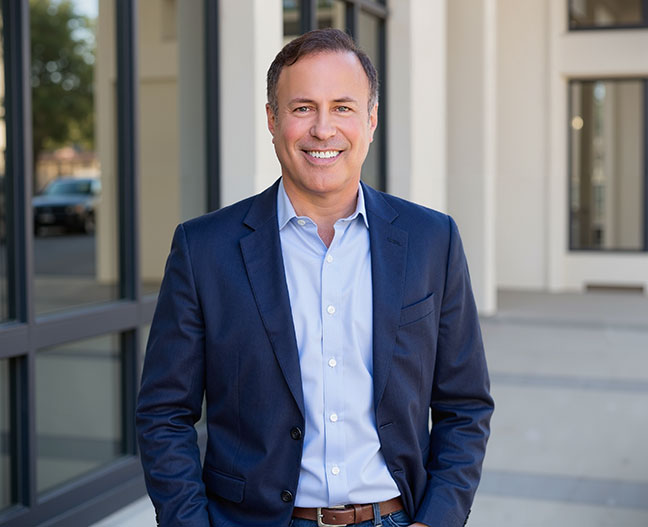
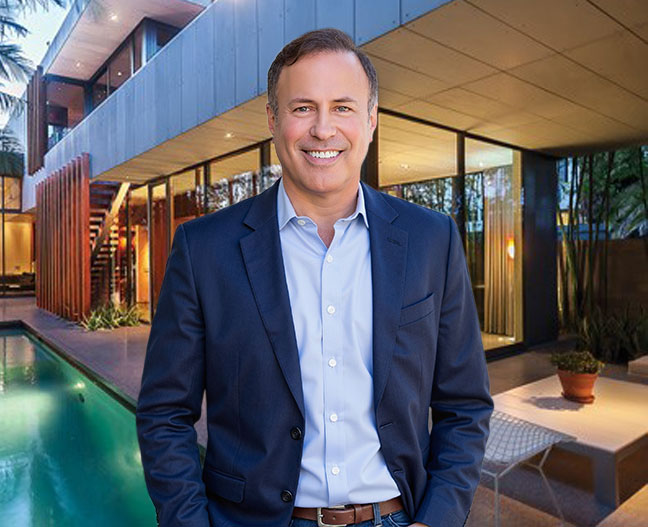
Michael Collins is a Beverly Hills real estate agent with 30+ years of experience representing buyers and sellers throughout Beverly Hills and West Hollywood. A lifelong Beverly Hills resident and Beverly Hills High School alum, Michael has spent his career working in the communities he knows best.

After an early career in entertainment management, Michael transitioned into residential real estate, bringing a client first approach built on discretion, clear communication, and strong negotiation. He is known for guiding clients through complex decisions with calm, direct advice in an ever-changing Los Angeles real estate market.\

Michael specializes in Beverly Hills and West Hollywood real estate, with particular expertise in architectural homes, condominiums, and legacy properties. His clients include creatives, executives, attorneys, and long-time homeowners, many of whom work with him repeatedly over the years.
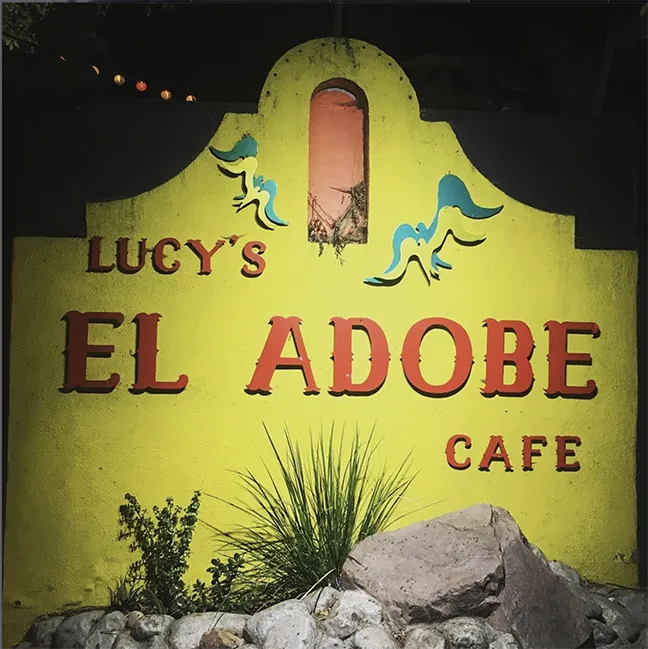
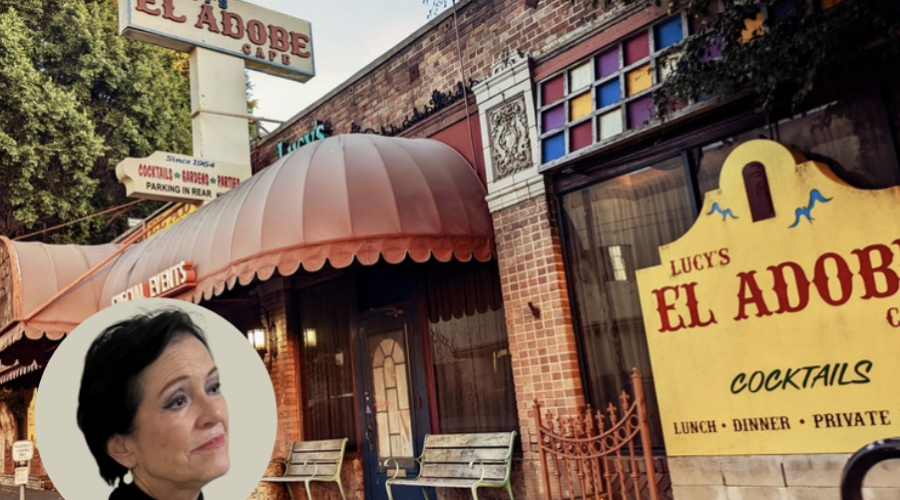
Patricia “Patty” Casado, Who Fought to Regain Control of Lucy’s El Adobe Café, Dies

Patricia “Patty” Casado, Who Fought to Regain Control of Lucy’s El Adobe Café, Dies

There was excitement in the prospect that once revered Lucy’s El Adobe Café on Melrose would open after a long hiatus. There was construction and workers on site, and then…

Patricia “Patty” Casado, the daughter of Lucy’s El Adobe Café founders Frank and Lucy Casado — and the family member who fought to regain ownership of the longtime Hollywood restaurant — has died after a brief illness. She was a central figure in recent efforts to restore and reopen the Melrose Avenue landmark.

Lucy’s El Adobe Café, located at 5536 Melrose Avenue directly across from Paramount Pictures, opened in 1964 and became one of Los Angeles’ best-known family-owned Mexican restaurants. Over the decades, it developed a loyal following among studio employees, entertainment industry figures, politicians and neighborhood residents.

Casado grew up around the restaurant and remained closely tied to it throughout her life. Following the death of her mother, Lucy Casado, in 2017, a dispute within the family over control of the business led to litigation and a prolonged closure of the restaurant.

Casado pursued legal action to regain control of the property and business operations. After a protracted court battle, she ultimately reestablished her role in the ownership structure and began working toward restoring the restaurant and preparing it for reopening.

Supporters say she viewed the effort as both a business and preservation issue.

“She felt a responsibility to protect what her parents built,” said one longtime family friend. “For her, this was about keeping the restaurant in the family and maintaining its place in Los Angeles history.”

Lucy’s El Adobe Café has long held cultural significance beyond its menu. The restaurant was known as a gathering place for members of the entertainment community and was widely reported as the site where former California governor Jerry Brown met singer Linda Ronstadt in the 1970s — a relationship that later drew national attention.

In recent years, restoration efforts were underway, with plans to reopen after several years of inactivity. Community members had expressed optimism about seeing the restaurant return to operation.

Casado’s death comes at a pivotal moment for the business. It remains unclear how reopening plans will proceed, though supporters say her work laid the groundwork for the café’s potential revival.

“She was determined,” another associate said. “Even when the process was complicated and slow, she stayed focused on getting the doors open again.”

Casado is remembered by friends and former patrons as deeply committed to her family’s legacy and to preserving one of Hollywood’s enduring neighborhood institutions.

Further details regarding memorial services or the future of Lucy’s El Adobe Café have not yet been announced.

Getty Center Presents Photography and the Black Arts Movement, 1955–1985

Getty Center Presents Photography and the Black Arts Movement, 1955–1985

High above the city, the Getty Center opens one of the most resonant exhibitions in Los Angeles this season — a sweeping exploration of Black photography that reshapes how we understand image, authorship, and power.

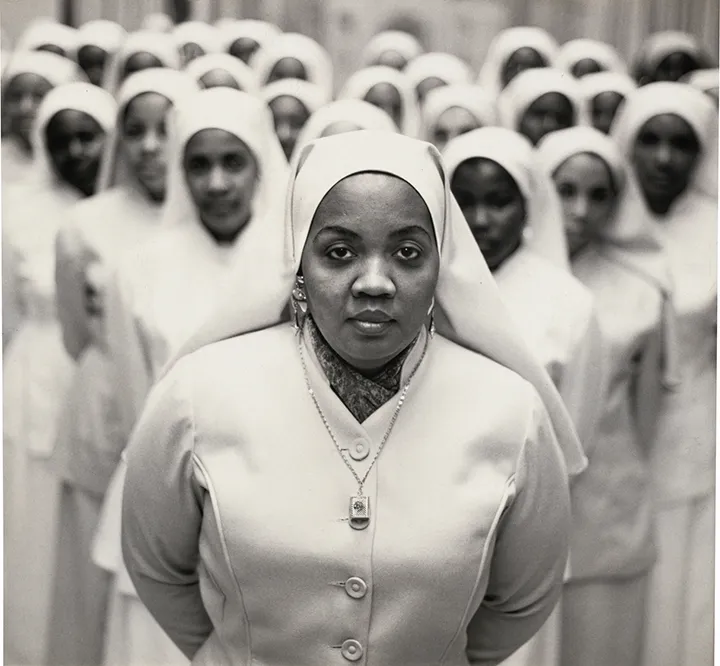
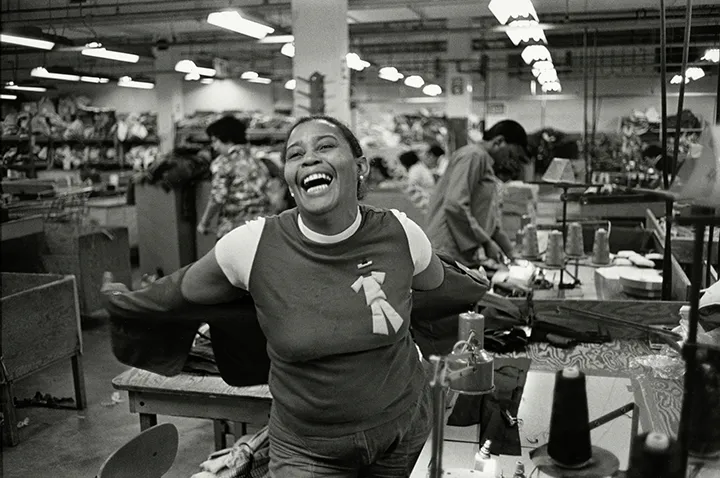
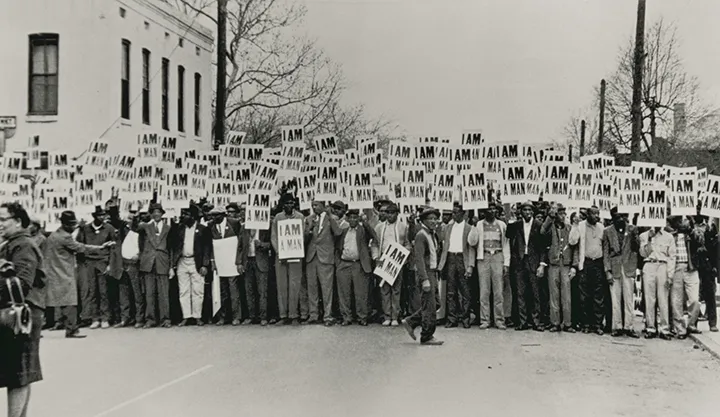
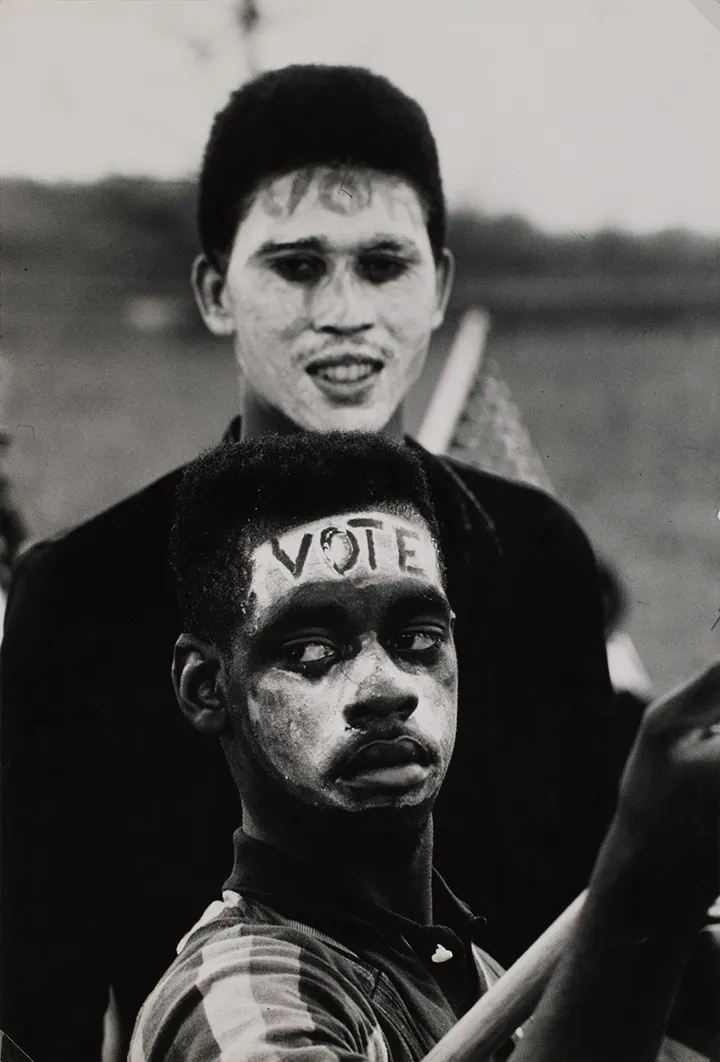
Photography and the Black Arts Movement, 1955–1985 gathers work created during three transformative decades in American cultural life. These are not photographs that stand quietly on a wall. They insist. They document protest and possibility, intimacy and identity. They reflect a period when artists seized control of the lens and, in doing so, redefined visual culture.

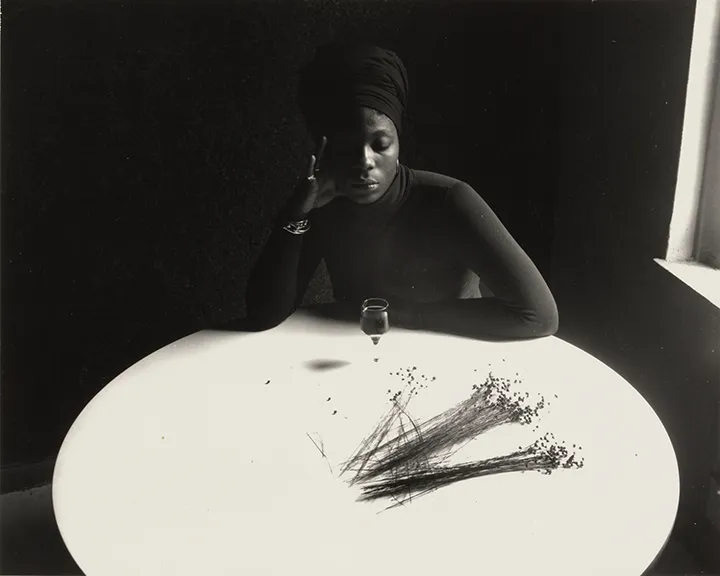
The Black Arts Movement is often discussed through poetry, music, and theater, but photography was equally vital. Cameras became instruments of self-definition. Portraits radiate dignity and defiance. Street scenes pulse with urgency. Domestic moments feel deliberate and composed, as if reclaiming narrative space.

Moving through the exhibition, you sense a dialogue unfolding across generations. Some images feel immediate and confrontational; others are restrained, almost meditative. Together, they reveal a layered history of representation — one shaped from within.

In a city built on imagery, a Black photography exhibition in Los Angeles carries particular gravity. Los Angeles has long exported pictures to the world. Here, the exhibition asks viewers to consider who frames those pictures, who preserves them, and who benefits from their circulation.

The Getty’s architecture, serene and expansive, provides an unexpected counterpoint. Sunlight filters through travertine corridors while inside, the photographs hold moments of tension, pride, resistance, and beauty. The contrast deepens the experience. Outside, the city stretches outward. Inside, the images draw you inward.

Between 1955 and 1985, the United States was reshaped by civil rights activism, political upheaval, and cultural reawakening. The artists in this exhibition were not observers standing apart from that change — they were participants. Their work does not simply record history. It asserts presence within it.

For Los Angeles, the exhibition reinforces the role of its museums as active cultural agents rather than passive repositories. It is a reminder that art exhibitions in Los Angeles are not merely seasonal attractions; they are part of an evolving civic conversation.

Photography and the Black Arts Movement, 1955–1985 is on view February 24 through June 14, 2026.


Exhibition Details

Venue: Getty Center
Address: 1200 Getty Center Drive, Los Angeles, CA 90049
Dates: February 24 – June 14, 2026
Hours: Typically 10 a.m.–5:30 p.m. (extended hours Saturday; closed Mondays)
Admission: Free; timed-entry reservation required
Parking: On-site garage (fee applies)
Website: www.getty.edu

Before planning your visit, check the museum’s official website for updated hours, ticketing information, and related programming.

Some exhibitions ask to be seen. This one asks to be considered — slowly, carefully, and more than once.

Images:


Top:

Genie, 1971, printed later

Ray Francis, (American, 1937–2006)
Gelatin silver print
J. Paul Getty Museum
© Estate of Ray Francis
2025.28.4

cover:

Ethel Sharrieff in Chicago, 1963
Gordon Parks (American, 1912–2006)
Gelatin silver print
National Gallery of Art, Washington. Corcoran
Collection (The Gordon Parks Collection),
2015.19.4631
© Gordon Parks Foundation
EX.2026.2.35

Top left:

Mom at Work, 1978–84

From the series Family Pictures and Stories
Carrie Mae Weems (American, born 1953)
Gelatin silver print
National Gallery of Art, Washington. Alfred H.
Moses and Fern M. Schad Fund, 2022.108.1
© Carrie Mae Weems
EX.2026.2.52

I Am a Man, Sanitation Workers Strike,
Memphis, Tennessee, March 28, 1968
Ernest C. Withers (American, 1922–2007)
Gelatin silver print
National Gallery of Art, Washington. Alfred H.
Moses and Fern M. Schad Fund, 2023.87.1
© Dr. Ernest C. Withers, Sr. courtesy of the
WITHERS FAMILY TRUST
EX.2026.2.60

Two Teenaged Supporters of the Selma March,1965,

printed about 1970
Moneta Sleet Jr. (American, 1926–1996)
Gelatin silver print
Saint Louis Art Museum, Missouri. Gift of the Johnson
Publishing Company
© Johnson Publishing Company Archive. Courtesy
J. Paul Getty Trust and Smithsonian National Museum of African
American History and Culture. Made possible by the Ford Foundation, J.
Paul Getty Trust, John D. and Catherine T. MacArthur Foundation, The
Andrew W. Mellon Foundation,


Social Media Auto Publish Powered By : XYZScripts.com