
by Mia Barnes
6 Surprising Ways the Sun Can Affect Your Skin — and What to Do About It
Do you slather on sunscreen each day? You should, for more reasons than reducing your cancer risk. The sun can affect your skin in surprising ways. Fortunately, protecting yourself is as simple as covering up and choosing the right SPF. Why should you bother? Here are six reasons you should treat safeguarding your skin from the sun seriously.
1. Photoaging and Premature Aging
It’s no secret that too much time in the sun can result in the appearance of fine lines and wrinkles and an uneven complexion. The term “photoaging” refers to the cumulative effects of radiation from the sun or artificial ultraviolet (UV) sources. It results in collagen breakdown, which causes deep wrinkles, sagging skin, “hollow” cheeks and other signs of aging older individuals experience.
2. Hyperpigmentation and Other Skin Conditions
Hyperpigmentation refers to the appearance of blotchy or mottled skin with alternating patches of light and dark. This condition can have various causes, and sun damage is one of the most common — hyperpigmentation spots are also sometimes called “sun spots.”
Aside from hyperpigmentation, sun exposure and excessive sun damage can lead to vitiligo and mole growth.
3. Eye Damage
You should wear sunglasses as well as sunscreen when in the sun. The skin around your eyes is more prone to damage, and UV light exposure can also damage your vision. For example, women account for 63% of age-related macular degeneration cases, and failing to protect your eyes is one of the biggest and most preventable risk factors.
4. Sunburn
Sunburn doesn’t feel good and spurs premature aging, photoaging and hyperpigmentation while upping your chances of disease. Having five or more severe sunburns throughout your life doubles your skin cancer risk.
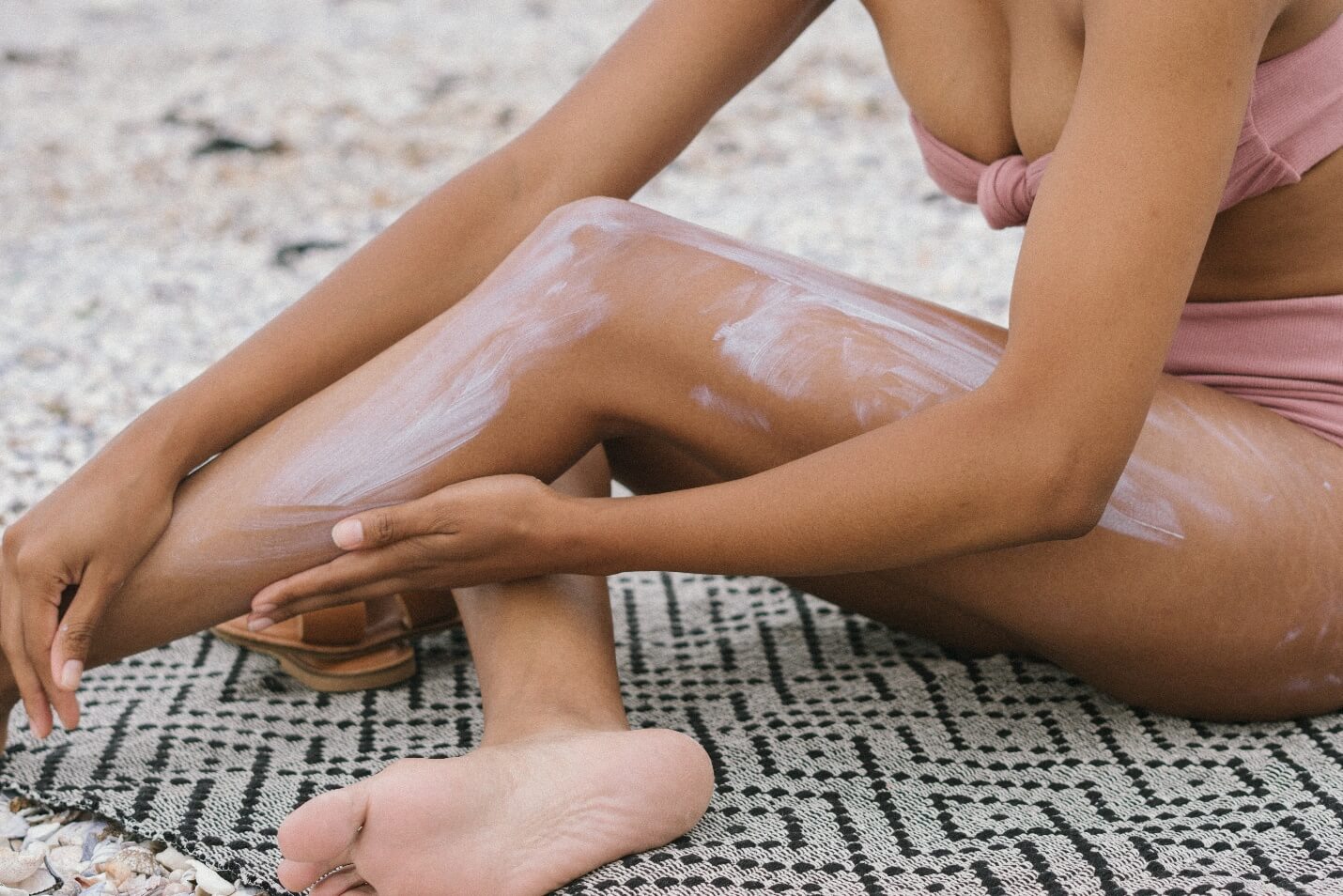
Keep yourself safe by slathering on sunscreen and pay attention to the type and when you apply it. Sunscreen can take up to 15 minutes to absorb into the skin, so make sure you apply it a bit before you head out for the day.
5. Skin Dehydration
Dehydrated skin looks flaky and ashy, making you look older and more tired. Furthermore, you sweat more in the sun, accelerating moisture loss.
Keeping yourself hydrated is key. While the general rule is to divide your weight in half and consume that many ounces of water per day, you may need more if you spend a lot of time outdoors.
6. Heat Rash
Those little angry red bumps on your chin might not be pimples. Heat rash occurs when your eccrine glands, which let sweat escape from your skin’s surface, become blocked. The result is tiny, red, inflamed bumps that can itch like crazy.
Treatment includes cooling yourself down in a shower or pool and applying topical anti-itch creams. As heat rash often occurs where fabric meets your skin, opt for breathable cotton over synthetics that prevent airflow.
Is the Sun Ever Good for Your Skin?
In some cases, the sun can be good for your skin. For example, mild exposure prompts your body to produce natural vitamin D, which boosts your mood and improves immune function.
Furthermore, some people with autoimmune diseases do better with mild sun exposure. The trick is finding the right amount of exposure to improve symptoms without prompting a severe flare-up.
How the Sun Affects Your Skin
The sun affects your skin in multiple ways. Understanding the risks prompts you to take simple proactive steps, such as applying sunscreen and wearing other forms of sun gear. Protect yourself before you venture out and enjoy a healthier, more glowing complexion for life.
Cover Photo by Mikhail Nilov
Inside photo by Lukas Rychvalsky



by Dennis Richardson
Gone are the days of mom’s old aromatherapy practices. Oils and sprays were nice, but what if the trusty candle did the trick in a new way?
In the latest breakthrough, Neuroscents – scents created to elicit emotional responses that are neurologically backed – are carving a new lane with Caftari. Caftari uses science backed formulas to elevate one’s well being, with a mission to help individuals lead happier and healthier lives through the use of fragrance. Caftari’s science-backed formulas are carefully crafted to support joyfulness and rejuvenation through Neuroscents, not just making spaces smell good, but leaving you feeling good, too!
This past November, Caftari entered the home + fragrance market with the launch of two mindfully scented candles – Elixir and Dolce. Caftari is elevating fragrance through science & wellness – by creating daily moments of mindfulness with scents designed to modulate brain waves and in moments of bliss, relief, and deep relaxation through science-backed formulations. Caftari candles are curated in a luxury ceramic vessel, and etched with the pattern of the specific brainwave that the candle hones in on.
Caftari’s leading candles are broken down below:
Dolce Far Niente: For a Glimmer of Bliss – Experience the Italian adage at home.
With its romantic and warm floral profile, this blend incorporates rose oil to encourage the release of serotonin, which promotes happiness and is present when we are daydreaming or practicing mindfulness.
Elixir:For a Bright Awakening – Reawaken your mind and body any time of day.
With its citrusy profile & purposeful aroma to light and encourage a sense of revival, this blend features bergamot essential oil, which promotes the release of endorphins, a neurotransmitter also known as the feel-good chemical.
Caftari’s Founder, Shreya Aggarwal, was born in India and immigrated to the US as a child, with her earliest memories linked to fragrance notes like her mom’s rose-scented hair oil & dad’s perfumed talc powder. Aggarwal always thought she’d major in Neuroscience, but eventually pivoted to pursue her passion for fragrance as a buyer in the industry. Throughout her career, Shreya noticed a lack of results driven, neuroscience-backed fragrance products created to address overall mental health and wellbeing. After suffering from her own anxiety and trying numerous different methods to tackle it, Aggarwal paralleled her love of fragrance and passion for neuroscience to create solutions with Caftari for her own needs and the similar needs of others.

To help breakdown how neuroscents work and enforce Caftari’s message and goal, they partnered with PhD and MIT Professor, Dr. Tara Swart, who answered a few of our questions. If you’re looking for insight into how neurotransmitters work on our brains, and more, keep reading!
Q&A With Dr. Tara Swart
Hi Dr. Swart! Caftari is not just your typical candle company, but something deeper. Can you explain how scent can modulate brain waves and impact mental wellbeing?
Dr. Swart: Caftari candles contain essential oils of sufficient potency, and proven by science to have beneficial effects on our mental state. These are known as neuroscents because they travel via the olfactory nerve to the memory and emotion centres of the brain evoking moods that correlate with the release of certain neurotransmitters and the relevant brain wave states.
What specific scientific principles support the idea of fragrances like rose oil and bergamot essential oil influencing neurotransmitter release?
Dr. Swart: Rose essential oil heightens the release of serotonin—a neurotransmitter renowned for its happiness inducing effects. Serotonin, the architect of alpha brainwaves, is released during moments of daydreaming or mindfulness, creating an ambiance of tranquility and joy. The Dolce Far Niente candle contains rose oil as a major ingredient. The Elixir candle’s fragrance blend includes bergamot and helps uplift mood. Bergamot essential oil stimulates the release of endorphins—the brain’s feel-good chemicals. Endorphins correlate with gamma brainwaves, and accompany heightened states of awareness.
How do different neurotransmitters, such as serotonin and endorphins, interact with brain waves, and how might this interaction be influenced by fragrance?
Dr. Swart: The release of various neurotransmitters leads to the brain producing the associated brain wave patterns. Molecules of the scents interact with the olfactory nerve through the nose and lead to neurotransmitter release into synapses in the memory and emotion centres of the brain which are deep in the brain behind the bridge of the nose and where the olfactory nerve travels to.
Do individual differences, such as genetics or personal scent preferences affect the response to neuroscented products, or does nearly everyone have the same brain-chemistry response?
Dr. Swart: The actual chemical response is broadly the same (particularly with natural and floral scents), unless there are particular memories that trigger a stress response, but the emotional response or memory induced will vary from individual to individual.
Can neuroscented products like these candles be used as complementary therapies alongside traditional treatments for anxiety or mood disorders?
Dr. Swart: They can be used as an additional element to creating a pleasant and calming environment but this cannot be compared to the efficacy of psychological therapy for actual mental health disorders. However, olfactory enrichment (being exposed to a variety of smells throughout the day) can help with cognition as we age.
In what ways might the field of neuroscience further contribute to the development of fragrance products aimed at improving mental health and wellbeing?
Dr. Swart: Further research into neuroaesthetics (the health, mental health and longevity benefits of beholding and creating beauty), the benefits of nature on well-being, and olfactory enrichment on neuroplasticity (the ability of the brain to grow and change throughout life) are key areas.
by Randy Dunbar
Getting hydrated and plump skin can be hard to achieve, especially if you live in a place with a hot and dry climate. Dr. Caren Campbell, a dermatologist in California, stated that residents living in places with hot and dry climates are more likely to suffer from dry and dehydrated skin. Due to the lack of water in the air, the natural moisturizing components on your skin evaporate at a faster rate than normal. Recognizing the impact of the climate on your skin, you need to hydrate regularly to keep your skin healthy and glowing. Here’s what you need to do:
Maintain a regular skincare routine
You may not be able to control the climate in your area but you can still provide the best conditions for your skin by practicing a regular skincare routine. Though this may sound like a lot of commitment, a proper skincare routine for dry skin can be completed in just three steps. First, you need to cleanse your skin from irritants and dirt using a cleanser. Next, you can address dullness and dehydration by applying a moisturizing treatment at least twice a day. Then before heading out, you must protect your skin against environmental aggressors by applying sunscreen all overexposed areas.
Apply a hydrating serum for an added boost
On extra hot and dry days, you can apply hydrating serums to complement your regular skincare routine. Many people prefer serums since they contain high concentrations of ingredients for maximum efficiency. So, if dry skin is your concern, you can apply serums with humectants before you put on moisturizer. An example of this ingredient is glycerin/glycerol, a moisturizing component that naturally occurs in the body. Another kind of humectant is urea, an organic compound that is part of your skin’s natural moisturizing factor. Thus, applying serums with humectants on extra hot and dry days can help in restoring your skin’s natural hydration levels.
Keep yourself hydrated from within
Aside from following a moisturizing skincare routine, you need to maintain your body’s natural hydration levels by drinking lots of water. After all, your skin contains 64% water, so you need to consume enough of it to maintain optimal health. In fact, our article on the bad habits that affect your skin emphasizes that dehydration can actually lead to dryness and even breakouts. Aside from drinking about eight glasses per day, you also need to avoid drinking sugary beverages and coffee, which can make you urinate faster. On top of that, limit your alcohol consumption because it causes your body to remove fluids from your blood, making you dehydrated at a faster rate.
Use a humidifier at home or in your office
Finally, you can improve the air quality in your own space during extreme weather conditions by utilizing a humidifier. These appliances produce and disperse water vapor that adds more moisture to the air. Since your environment can affect your skin’s health, humidifiers can ease irritation and dryness caused by poor air quality. You can even opt to purchase humidifiers that emit cool mists to further balance the environmental conditions in your home. To illustrate, evaporative humidifiers contain a fan that evenly distributes the cool humidity across a room. You can also alleviate dryness by using an impeller humidifier, which has a rotating disc that releases mist into the air. Whichever option you opt for, a humidifier should make it easier to maintain your skin health.
You can keep your skin healthy and hydrated by caring for it, both inside and out. Following a proper skincare routine, adding a hydrating serum, drinking enough water, and using a humidifier are good practices that can boost the hydration levels of your skin. Stick to these tips and, before you know it, you’ll have hydrated skin all day long.

by Mia Barnes
6 Expert Ways to Protect Your Skin From Scarring, Injury and Blemishes
With the warm season here, you bare more skin. However, you want to keep your appearance glowing and blemish-free any time of year.
Your skin is your body’s largest organ, and many things can damage it. Here are six expert ways to protect your skin from scarring, injury and blemishes.
1. Leave New Pimples Alone
While sitting in your 8 a.m. chemistry class, you notice a bump on your chin that feels like a fresh blackhead. Your tendencies might scream, “pick at me!” Please try not to yield to the temptation. Picking at your skin can introduce new dirt and germs into pores, making existing acne worse. Trying to pop a newly erupted pimple can push bacteria and oil deeper into the infected pore, increasing swelling, pressure and redness. Icing such spots can reduce swelling and redness until they reach the point where you can perform an extraction.
2. But Treat Injuries Quickly
The old cliché may advise you to never trust a man who has no scars — but the originator of this saying spoke metaphorically. In reality, you want to practice proper wound care to prevent scarring.
If you get a cut or a burn, your first order of business is to thoroughly clean the wound to remove any debris. You also need to cool burns before applying any ointments that might seal heat inside your skin. Once you’ve cleansed and cooled the area, apply a dab of petroleum jelly to the affected area to keep the wound from drying out and forming a scab. You can also use silicone or hydrogel sheets for larger wounds.
Bruises fade in time, but they can distress you if you end up sporting purple and green blotches that contrast with your sleeveless pink bridesmaid’s gown at a summer wedding. Icing your bruise immediately after the bump occurs can help minimize discoloration. Please ensure that you use a fabric bugger between the ice pack and your skin to avoid making matters worse.
3. Use the Right Tool
Take heart, perfect skin seekers. You can still enjoy the gross-yet-satisfying sensation of popping your pimples if you wait until the right time and use the correct instrument.
It’s best if you use self-care techniques after a seasoned professional shows you the ropes. However, let’s keep it real — not everyone has the money for a dermatologist. You can buy comedone extractors such as those recommended by Dr. Pimple Popper and find instructional videos online if you can’t afford a trip.
4. Or Call a Professional
If you have the means, please see a professional for the best advice on protecting your skin from scarring, injuries and blemishes. Please don’t think this advice implies that you can’t learn how to take care of your skin at home.
However, your dermatologist can help you considerably in this endeavor by identifying your skin type and recommending products ideal for your unique DNA. You could potentially save money by not wasting countless pennies here and there trying various products that may work for others, but not you.
5. Wear Sunscreen
If you haven’t started wearing sunscreen each day yet, please get into the habit. Even if you adopt the mindset of, “early humans didn’t wear protection, and they survived” keep in mind that things have changed. Climate change means humans now experience more ground-level UVA radiation than past generations.
If you eschew commercial sunscreens because of the chemicals some brands contain, you can make DIY protection. All you need is some powdered zinc oxide and a carrier base that works well for your skin type. Coconut oil works wonders for dry skin, while argan oil won’t clog acne-prone pores.
6. Nourish Your Skin
Even if you try to be careful, you will eventually suffer life’s bumps and bruises. When you do, your body will heal itself — and recovery will go more quickly if you provide it with the right building blocks for doing so.
If you don’t follow a vegan diet, try to consume more fatty fish for the omega-3 fatty acids and vitamin E. The omega-3’s reduce redness and inflammation from pimples, while vitamin E protects against damaging free radicals. Plant-based foods such as walnuts, sweet potatoes and red and yellow bell peppers likewise contain various antioxidants that help protect your skin cells from further damage and provide the materials they need to heal.
Protect Your Skin From Scarring, Injuries and Blemishes
Looking your best means taking care of your body’s largest organ. Protect your skin from scarring, injuries and blemishes to give it the best chance at longevity.