by zuke oshiro
Today, nearly 50 million annual trips occur between Los Angeles and Las Vegas – over 85% of them by automobile – a trip which is unpredictable, unreliable and challenged by congestion. Brightline West expects to serve 9 million one-way passengers annually.
The idea of a fast, reliable rail link between Southern California and Las Vegas has been kicking around for decades, resurfacing every time I-15 turns into a weekend parking lot. What’s different now is that the project is no longer a speculative concept or a string of glossy renderings. The line now has a defined route, named stations, major funding commitments in place, and years of field work already underway along the corridor.
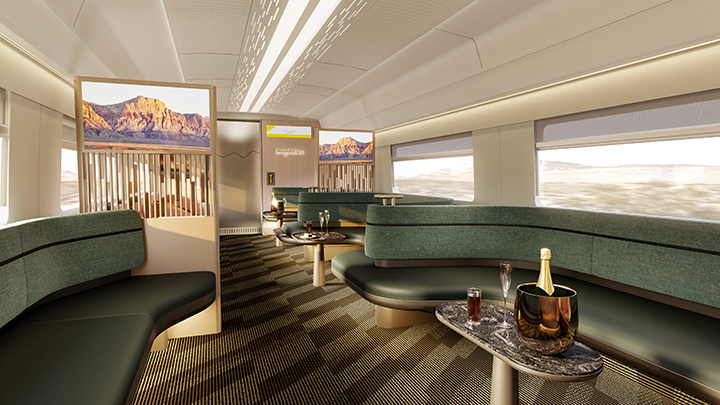
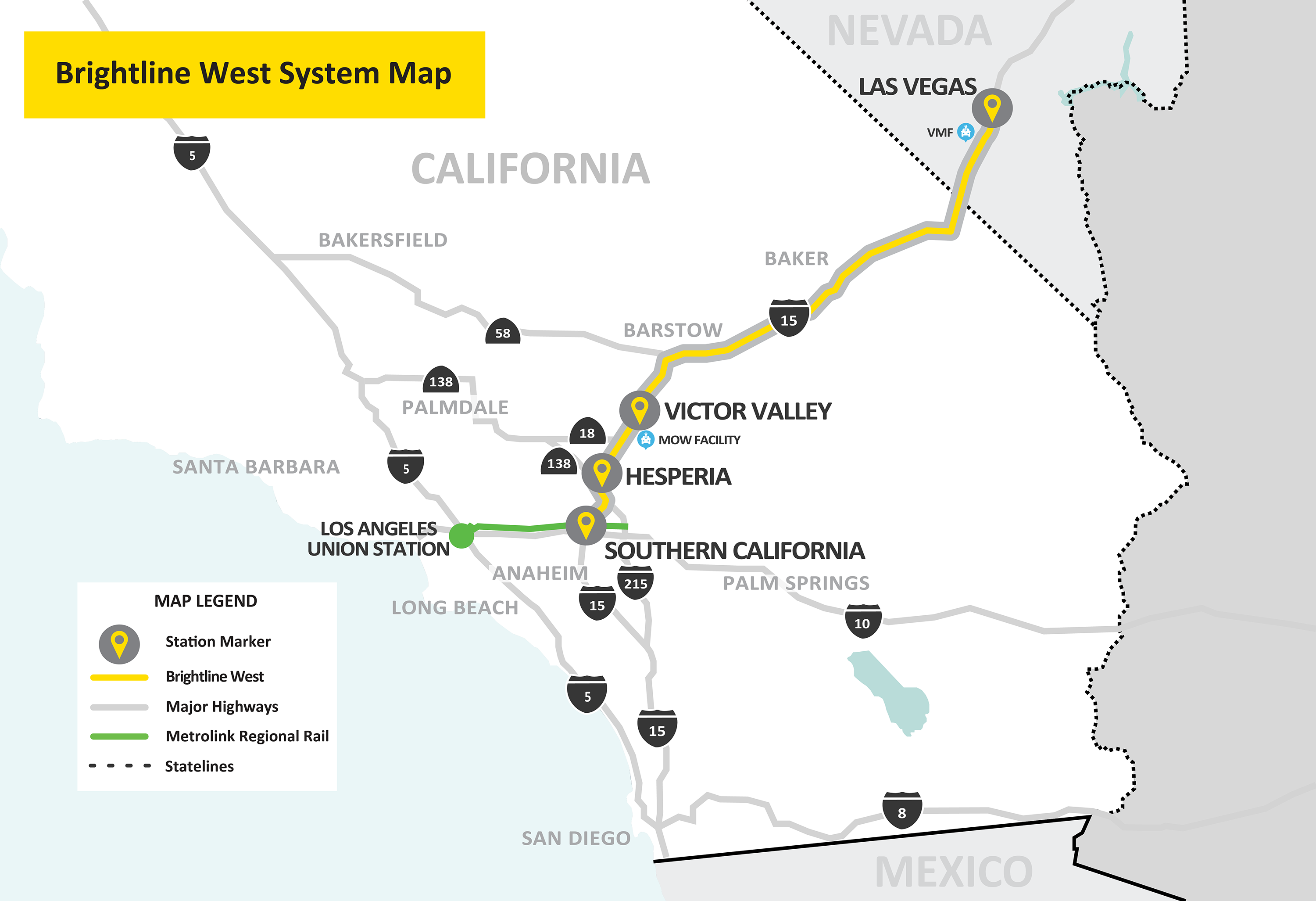
The project most people mean when they say “the train to Vegas” is Brightline West, a privately led high-speed rail line planned to connect Las Vegas with the Los Angeles region by running largely in the median of Interstate 15. The route is designed to be about 218 miles long, built for all-electric trains capable of speeds above 200 miles per hour. The headline promise has always been simple: turn a drive that can swing from four hours to “who knows” into a trip measured in roughly two hours, with a schedule that doesn’t depend on traffic, holiday gridlock, or the weather.
One of the biggest points of confusion is the “Los Angeles” part of the route. The southern terminus is planned for Rancho Cucamonga, not downtown Los Angeles. That choice is strategic: building straight into the most complex parts of the LA Basin would add time, cost, land constraints, and political headaches. Instead, the plan is to plug into an existing regional rail hub so travelers can reach the station via Metrolink and other local connections, then board the high-speed service for the desert run. For Angelenos, that means the trip becomes two steps: getting to Rancho Cucamonga, then taking the high-speed train to Las Vegas. The total door-to-door time will depend heavily on how seamless the local connection is and how frequently trains run.
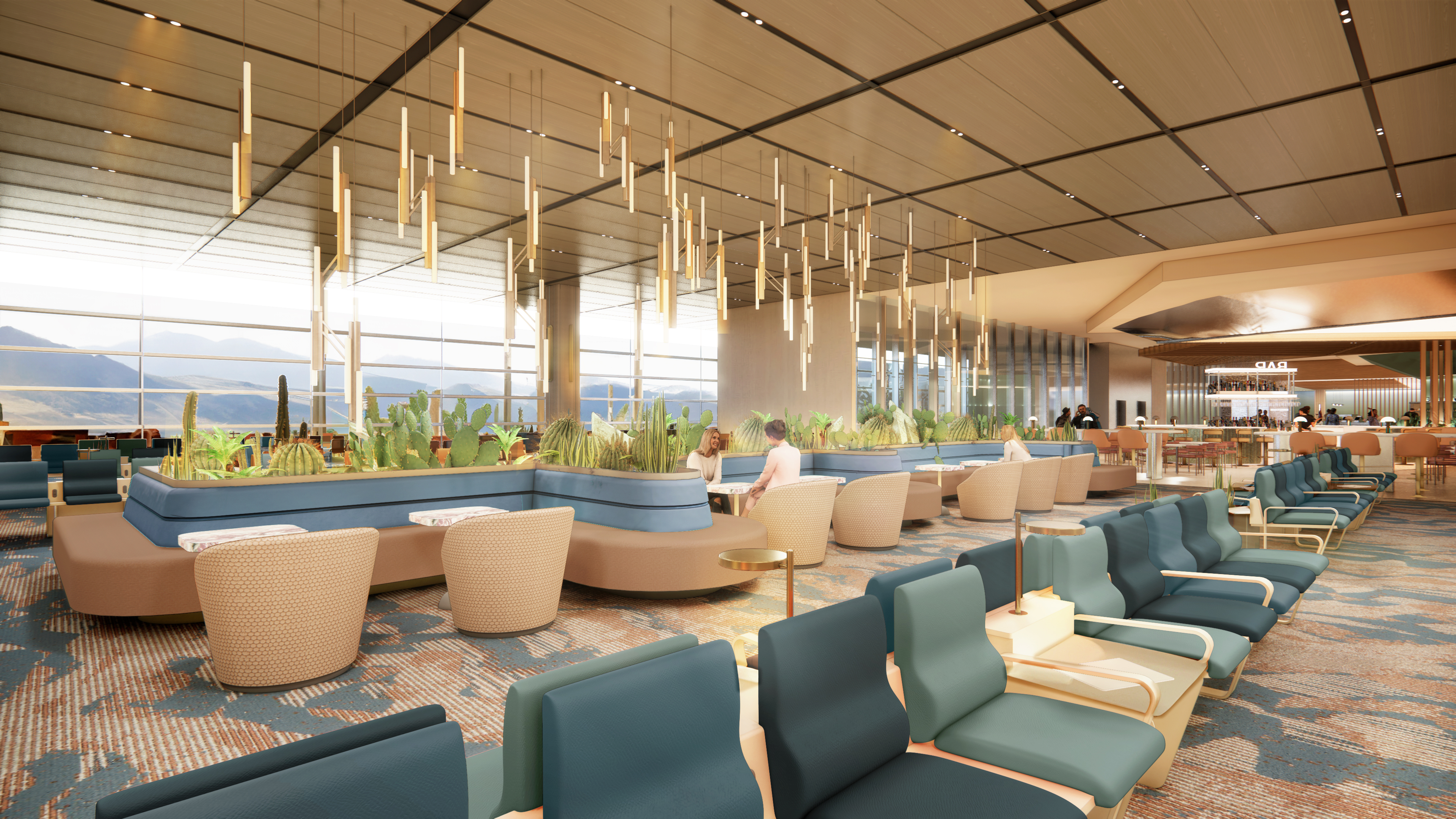
Las Vegas, meanwhile, is positioned to be a more straightforward arrival experience. The planned station site is south of the Strip on Las Vegas Boulevard, intended to function as a purpose-built gateway for visitors, with space designed for the kind of passenger flow Vegas is used to handling. In between, the line is expected to include stations in the High Desert, with Apple Valley and Hesperia commonly cited as key stops. The point isn’t just to serve Vegas tourists; it’s also to build a spine of mobility through a corridor where growth has been strong and where I-15 is often the only practical option.
A major milestone arrived when the project secured a multibillion-dollar federal grant agreement through a partnership with the Nevada Department of Transportation. That grant is aimed at final design and construction and has helped shift the project from aspiration to execution. The financing plan also leans on private capital, including federal private-activity bond capacity, a structure often used to fund large infrastructure that has a defined revenue model. The mix matters because it affects how quickly the project can move and how insulated it is from the start-stop cycles that have defined many American megaprojects.
Groundbreaking ceremonies in 2024 marked the public start of construction, but the more telling signs of progress have been the less glamorous ones: surveys, geotechnical work, utility investigations, and on-the-ground field activity in both Nevada and California. This kind of work is where a project either proves it can navigate reality or gets swallowed by it. The corridor may look simple on a map—follow I-15, keep it straight—but the details are complicated: bridges, interchanges, drainage, utilities, soil conditions, maintenance facility needs, construction staging, safety requirements, and the constant challenge of doing heavy work adjacent to one of the busiest travel highways in the West.
“The schedule has also become clearer—and less dreamy. For years, the unofficial hype line was “in time for the Olympics,” with the 2028 Summer Games in Los Angeles serving as a symbolic deadline. The more recent planning has shifted expectations toward the end of the decade, with late 2029 now widely associated with the projected start of service.”
The schedule has also become clearer—and less dreamy. For years, the unofficial hype line was “in time for the Olympics,” with the 2028 Summer Games in Los Angeles serving as a symbolic deadline. The more recent planning has shifted expectations toward the end of the decade, with late 2029 now widely associated with the projected start of service. That change doesn’t necessarily signal trouble; it reflects the reality of building a high-speed rail system from scratch in the U.S., with new stations, new track, new signaling, new power systems, extensive testing, and the necessary approvals layered on top. The closer a project gets to real construction, the more honest the timeline tends to become.
There’s also an environmental story running underneath the transportation story. A line cutting across the Mojave Desert raises unavoidable questions about habitat, wildlife movement, and long-term impacts. Plans for wildlife overcrossings and other mitigation measures have been part of the project’s development, aimed at reducing the barrier effect that rail infrastructure can create for species that already navigate a fragmented landscape. This is not just an add-on; it’s the kind of requirement that can shape design, budget, and construction sequencing.
So what is the “update” right now? The most meaningful update is that the project appears to be in the grinding middle stage between announcement and arrival—the stage where timelines get revised, financing gets finalized, construction plans get tested in the field, and the public begins to see more than press conferences. The late-2029 target is a practical marker to watch, but the more immediate tells will be visible construction milestones in 2026 and 2027: sustained heavy work along the corridor, station progress that’s impossible to miss, and major procurement and testing steps for the trains themselves.
For Southern California travelers, the eventual success of the service will be judged on a few simple questions. How easy is it to get to Rancho Cucamonga without a car? How frequent are departures on peak weekends? What does the pricing look like compared to driving, flying, or taking a bus? How smooth is the last mile in Las Vegas? If those pieces land, the train becomes more than a novelty—it becomes a new default for one of the most traveled leisure corridors in the region.
For now, the clearest takeaway is that the Vegas train is no longer a “maybe someday” concept. It’s a real infrastructure project with real constraints, real funding, and a real timeline that has settled into the end-of-decade range. The next year or two will determine whether it keeps momentum through the hardest part: turning plans into track, stations, systems, and a service that can run safely at true high-speed—day after day, weekend after weekend—on the one route where demand has never been the problem.
by June Miller Richards
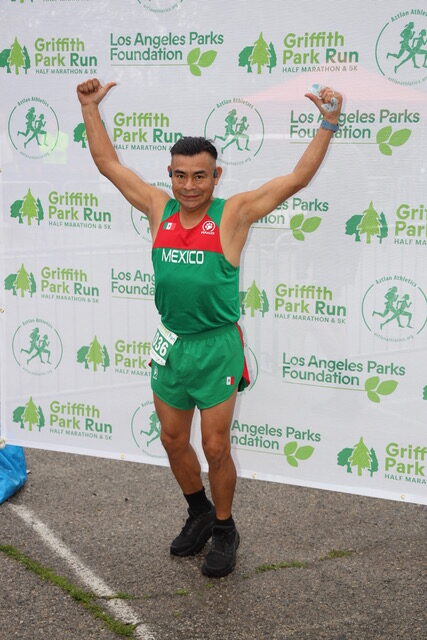
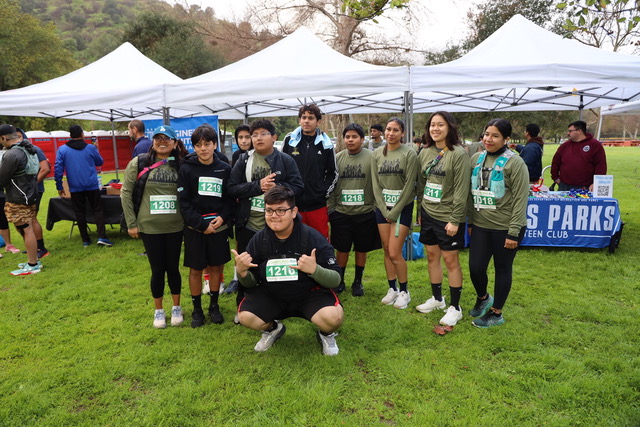
There’s no better way to experience Los Angeles than on foot, and few places capture the city’s spirit like Griffith Park. On Sunday, February 1, 2026, runners and walkers of all levels are invited to do just that when the annual Griffith Park Run Half Marathon and 5K returns. Registration is now open.
A favorite on Southern California’s winter race calendar, the event offers two distinct ways to take in the park’s rugged beauty. The Half Marathon winds through all of Griffith Park’s main trails, giving participants a rare, uninterrupted tour past familiar landmarks — from the historic Merry-Go-Round to the Autry Museum — all while soaking in sweeping views and crisp morning air. The 5K, by contrast, keeps things relaxed with a flatter, mostly shaded route that’s ideal for beginners, casual runners, and walkers.
New this year, the Griffith Park Run is officially going to the dogs. For the first time ever, dogs are welcome to register and participate in the 5K, making it a truly inclusive, tail-wagging event for the whole family.
The run also supports a meaningful cause. A portion of proceeds benefits the Los Angeles Parks Foundation, which works year-round to preserve and enhance public parks, recreational areas, and open spaces across the city, helping ensure these shared spaces remain accessible and welcoming for Angelenos of all backgrounds.
Race-day perks extend beyond the finish line. Participants receive a commemorative medal and premium event T-shirt, along with access to food trucks, sampling booths, raffle prizes and a post-race expo at the start/finish area near the Autry. The Half Marathon begins at 7:30 a.m., followed by the 5K at 10:00 a.m. Free public parking is available throughout Griffith Park (participants are encouraged to follow posted RunGPR parking signage).
Whether you’re chasing a personal best, walking with friends or jogging alongside your four-legged training partner, the Griffith Park Run offers a uniquely Los Angeles way to kick off the year with equal parts fitness, fresh air and community.
Registration is now open at www.rungpr.com.
Know Before You Go: Griffith Park Run 2026
Location: Griffith Park (Start/Finish near the Autry Museum)
Date: Sunday, February 1, 2026
Distances & Start Times
- Half Marathon: 7:30 a.m.
- 5K: 10:00 a.m.
Dogs:
- Dogs are officially welcome in the 5K for the first time this year
- Must be registered and run with their owner
What’s Included:
- Commemorative finisher medal
- Premium event T-shirt
- Food trucks, sampling booths & raffle prizes
- Post-race expo at the start/finish area
Giving Back:
- A portion of proceeds benefits the Los Angeles Parks Foundation, supporting public parks across L.A.
Parking:
- Free public parking available throughout Griffith Park
- Follow posted RunGPR parking signage at Crystal Springs Road entrances
Registration:
m
by Randy Dunbar
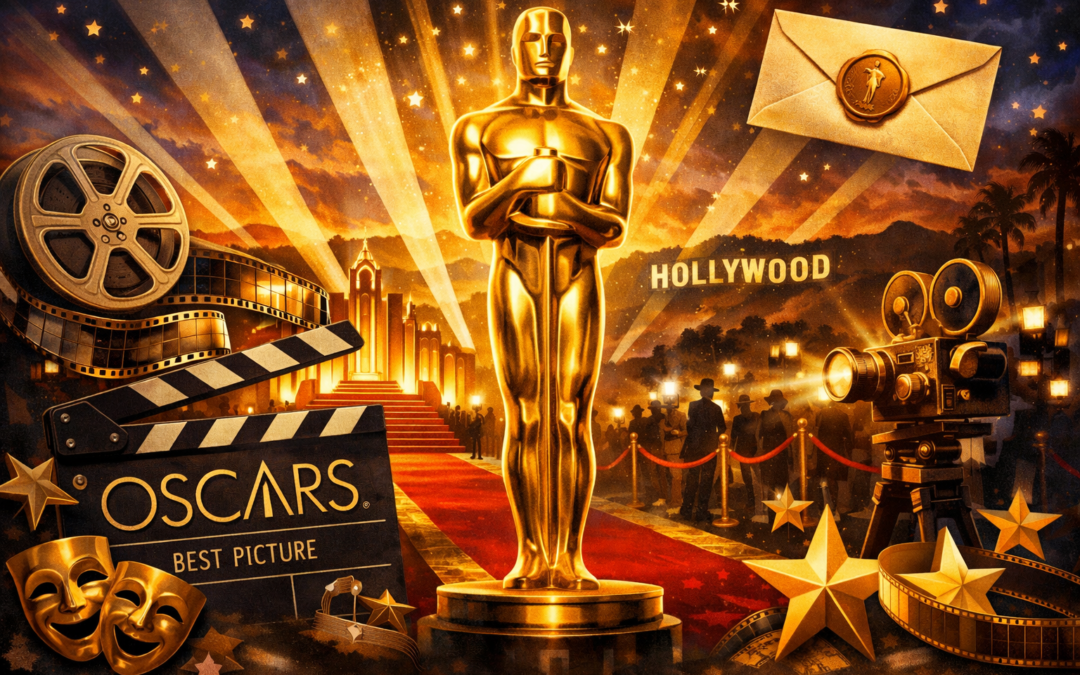
With the release of the latest Oscar nominations, the state of motion pictures in Hollywood appears paradoxical: creatively confident, culturally relevant, yet economically unsettled.
On the artistic front, the industry is showing real vitality. The nominated films span prestige studio productions, independent cinema, international storytelling, and genre-blending work that would have struggled for awards recognition a decade ago. The range suggests that filmmakers are taking risks again—experimenting with form, tone, and subject matter—and that the awards ecosystem is more open to unconventional narratives. From a purely creative standpoint, cinema looks alive, ambitious, and self-aware.
Culturally, movies still matter. The Oscar nominations continue to shape conversation, revive interest in films that may have had modest theatrical runs, and reinforce cinema’s role as a shared cultural reference point. Even as audience habits fragment across platforms, the awards season remains one of the few moments when film commands broad attention beyond fandom niches.
The economic picture, however, is more complicated. Many of the most critically celebrated films are not box-office juggernauts. The traditional relationship between prestige, profitability, and theatrical longevity has weakened. While a handful of large-scale releases still perform well, much of the Oscar-recognized work now relies on streaming platforms, limited releases, or hybrid distribution models. Theatrical exhibition is no longer the primary engine for many serious films, even when they achieve awards success.
At the industry level, Hollywood is also less geographically centered than before. Production continues to disperse to incentive-friendly states and countries, reducing Los Angeles’ dominance as the physical home of filmmaking even as it remains the symbolic and creative hub. This shift affects employment patterns, studio infrastructure, and the long-term identity of Hollywood as a place versus an idea.
Taken together, the Oscar nominations suggest an industry in transition rather than decline. Motion pictures are not creatively exhausted; if anything, they are artistically reinvigorated. What is unsettled is the business model—how films are financed, released, monetized, and sustained in a landscape where streaming convenience often outweighs theatrical tradition.
In short, Hollywood cinema today is artistically healthy, culturally resilient, and economically re-negotiating its future. The Oscars no longer reflect the peak of commercial success, but they still serve as a reliable barometer of where serious filmmaking is heading—and that direction remains bold, diverse, and very much alive.
BEST PICTURE
Bugonia
F1
Frankenstein
Hamnet
Marty Supreme
One Battle After Another
The Secret Agent
Sentimental Value
Sinners
Train Dreams
BEST DIRECTOR
Chloé Zhao
Josh Safdie
Paul Thomas Anderson
Joachim Trier
Ryan Coogler
BEST ACTOR
Timothée Chalamet
Leonardo DiCaprio
Ethan Hawke
Michael B. Jordan
Wagner Moura
BEST ACTRESS
Jessie Buckley
Rose Byrne
Kate Hudson
Renate Reinsve
Emma Stone
BEST SUPPORTING ACTOR
Benicio Del Toro
Jacob Elordi
Delroy Lindo
Sean Penn
Stellan Skarsgård
BEST SUPPORTING ACTRESS
Elle Fanning
Inga Ibsdotter Lilleaas
Amy Madigan
Wunmi Mosaku
Teyana Taylor
BEST ORIGINAL SCREENPLAY
Blue Moon
It Was Just an Accident
Marty Supreme
Sentimental Value
Sinners
BEST ADAPTED SCREENPLAY
Bugonia
Frankenstein
BEST ANIMATED FEATURE
Arco
Elio
KPop Demon Hunters
Little Amélie or the Character of Rain
Zootopia 2
BEST CASTING
Hamnet
Marty Supreme
One Battle After Another
The Secret Agent
Sinners
BEST CINEMATOGRAPHY
Frankenstein
Marty Supreme
One Battle After Another
Sinners
Train Dreams
BEST COSTUME DESIGN
Avatar: Fire and Ash
Frankenstein
Hamnet
Marty Supreme
Sinners
BEST FILM EDITING
F1
Marty Supreme
One Battle After Another
Sentimental Value
Sinners
BEST PRODUCTION DESIGN
Frankenstein
Hamnet
Marty Supreme
One Battle After Another
Sinners
The Academy Awards (Oscars) take place on Sunday, March 15, 2026.
They are held at the Dolby Theatre in Hollywood.
The public can watch them live on ABC in the United States and stream them live on Hulu.
Official Academy of Motion Picture Arts and Sciences (Oscars)
• Oscars official site (general info, history, press, events):
https://www.oscars.org/
Official Ceremony Info
• 98th Academy Awards ceremony details (date, nominees list page):
https://www.oscars.org/oscars/ceremonies/2026
Official “How to Watch” Info
• Where to watch the Oscars (includes broadcast & streaming options):
https://www.oscars.org/how-to-watch/
Broadcast Network
• ABC Oscars page (broadcast info and related content):
https://abc.com/shows/oscars
Official Social Media & Video
• Official Oscars YouTube channel (clips, highlights, announcements):
https://www.youtube.com/@Oscars
These sources give you accurate dates, broadcast info, streaming details, and live coverage options for the 98th Academy Awards on March 15, 2026.
by Contributor
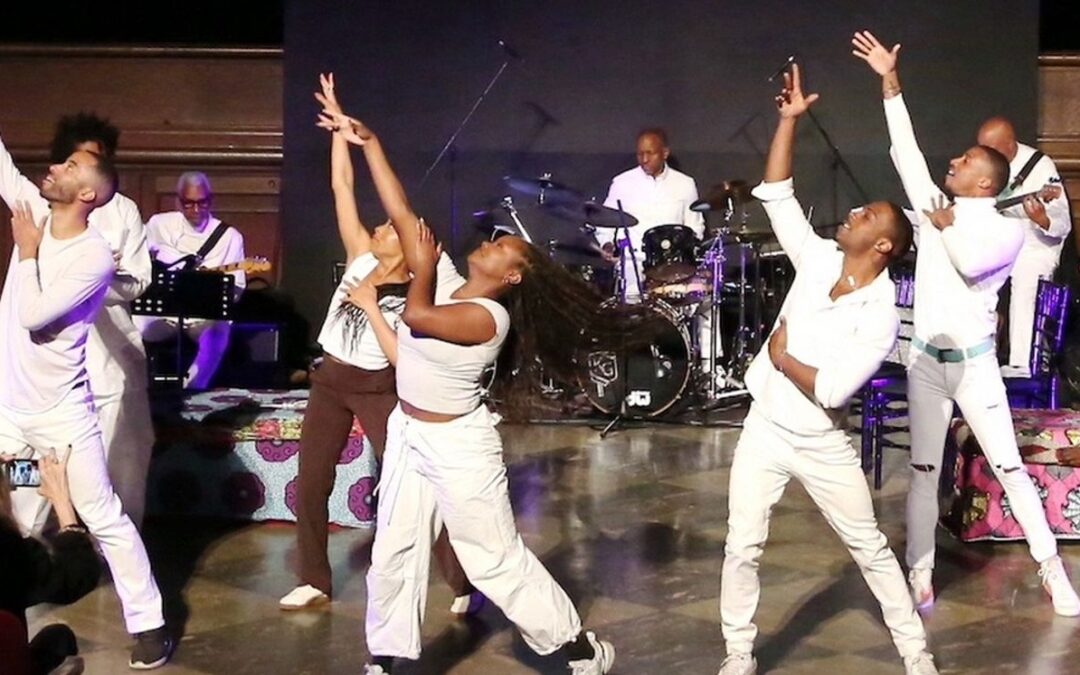
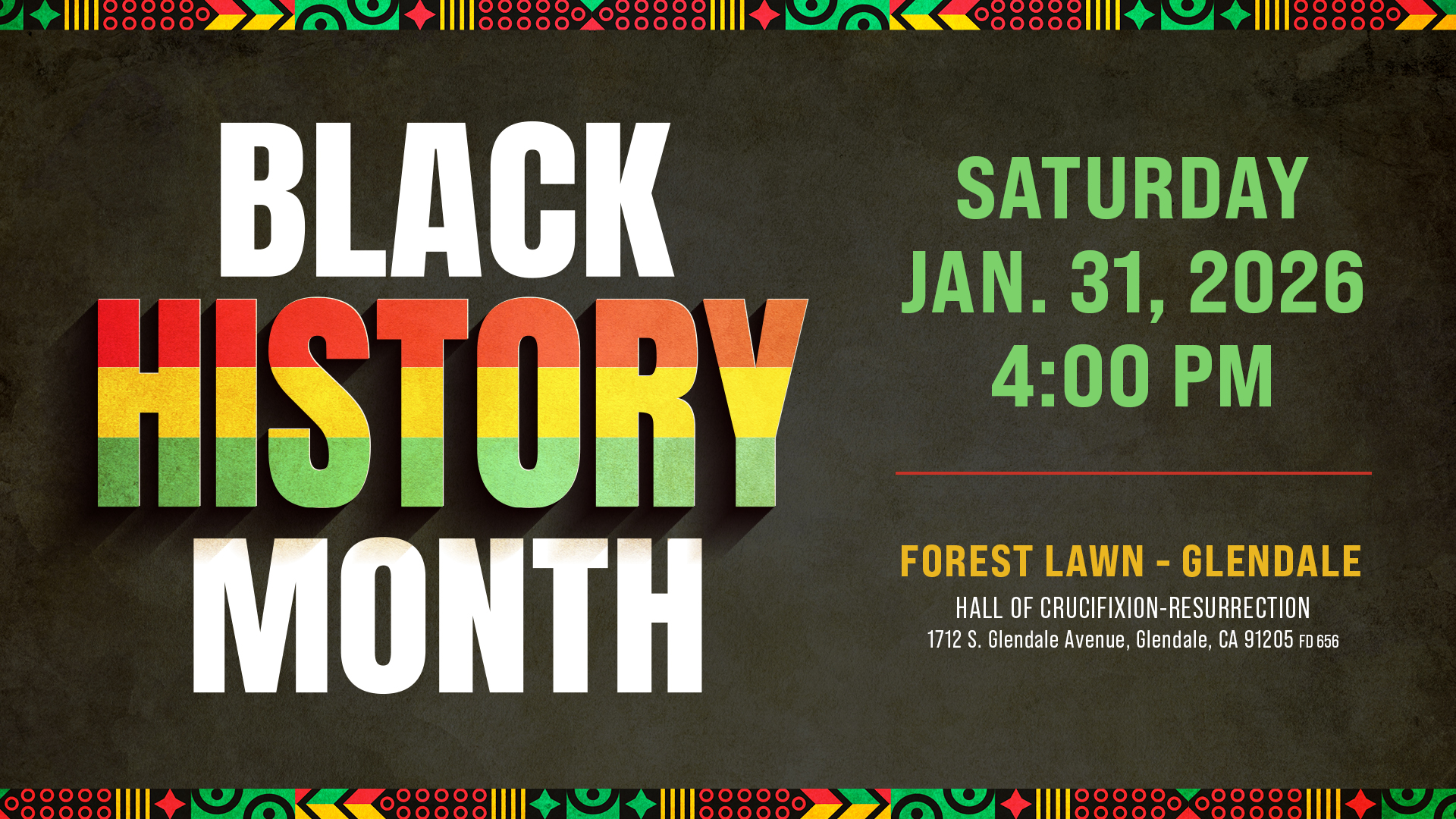 GLENDALE, CA—Forest Lawn will celebrate Black History Month with a free, one-night-only event on Saturday, January 31, 2026, from 4:00-7:30 PM. Forest Lawn, in partnership with producer Charles Lane, will bring African American experiences and culture to life with moving music, dance, and poetry performed by a troupe of singers and dancers and a five-piece band, as well as a keynote speech by Steven Lewis, an award-winning architect and social justice advocate, and an inspiring talk by Zach Andrews, Diversity Apprenticeship Program Director at The Broad. Michael Ellington will narrate the evening’s festivities. A community resource and networking fair with local education, health, housing, and volunteer organizations, along with complimentary refreshments and beverages, will precede the performance.
“Forest Lawn looks forward to our annual Black History Month performance and event each year,” said Rodolfo Saenz, Forest Lawn’s Senior Vice President, Marketing. “The performance brings our community together to celebrate and honor the African American experience through a variety of artistic mediums and forms of expression. The resource fair introduces people to organizations working in our communities, further broadening networks and creating connections.”
Forest Lawn’s Black History Month event takes place on Saturday, January 31, 2026, from 4:00-7:30 PM, inside the Hall of Crucifixion-Resurrection at Forest Lawn–Glendale, 1712 S. Glendale Avenue, Glendale, CA 91205. Doors open at 4:00 PM for the resource fair and pre-show reception with refreshments, music, and prizes, and continues with a 6:00 PM curtain for the performance. Seating is available on a first come, first served basis; standing room only is anticipated. Admission and parking are FREE. Visit forestlawn.com/events for more information.
Forest Lawn Museum’s exhibition “In Bloom: Flowers in Contemporary Art” will also be on view in the neighboring Forest Lawn Museum until 5:00 PM. The exhibition explores contemporary approaches to the timeless floral theme. The media and artworks in the exhibition vary dramatically, with paintings, sculptures, installation, and video that range from naturalistic to abstract, and from playful to contemplative. “In Bloom” features the work of David Flores, DABSMYLA, Francesca Gabbiani and Eddie Ruscha, Simonette David Jackson, Jasmyn Marie, Analia Saban, Kim Schoen, and Tiffanie Turner, with new works by most artists. The exhibition is on view through February 15, 2026. Find additional information at https://museum.forestlawn.com/blogs/forest-lawn-museum-exhibitions/in-bloom-flowers-in-contemporary-art.


Image credits (left to right): Camel Pugh dances during Forest Lawn’s Black History Month event. Courtesy of Forest Lawn; Joyce Guy sings in the spotlight at Forest Lawn’s Black History Month event. Courtesy of Forest Lawn.
For additional information and media inquiries about the Black History Month event or Forest Lawn Memorial–Parks & Mortuaries, please contact Tom Smith at 323.340.4742 or tsmith@forestlawn.com.
About Forest Lawn Memorial–Parks & Mortuaries
For more than a century, Forest Lawn has been an integral part of Southern California. Since its founding, Forest Lawn has committed itself to providing outstanding service and beautiful environments for family outings, remembering loved ones and commemorating holidays. Forest Lawn’s locations in the Los Angeles, Orange and Riverside counties serve all faiths and cultures, and offer a wide range of celebrations and special events with competitively priced cremation and traditional funeral services throughout Southern California. Glendale – FD 656
About the Hall of Crucifixion-Resurrection
Located next to Forest Lawn Museum, the Hall of Crucifixion-Resurrection showcases the Crucifixion (195 ft. x 45 ft.), which is the largest painting in the Western United States. It was painted by Polish artist Jan Styka in the 1890s. The building also houses the Resurrection (70 ft. x 51 ft.), which was painted by American artist Robert Clark in 1965. Visitors can view the newly revamped 18-minute, documentary-style audiovisual program, which includes a new video and narration that tell the history of two colossal paintings and the unique building that Forest Lawn created to house them. The audiovisual program runs Tuesday–Sunday on the hour (10 AM-4 PM, closed at 1 PM for lunch). Closed occasionally for special events. For more details about the Hall of Crucifixion-Resurrection, visit https://museum.forestlawn.com/pages/hall-of-crucifixion-resurrection.
Great Mausoleum visiting hours: Daily from 9:30 AM–4:15 PM
Admission and parking to Forest Lawn Museum, the Hall of Crucifixion-Resurrection, and the Great Mausoleum are FREE.
For more information or to schedule a free group tour, please call 323.340.4782, email museum@forestlawn.com, or visit https://museum.forestlawn.com/.
The Hall of Crucifixion-Resurrection is located at Forest Lawn—Glendale, 1712 S. Glendale Blvd., Glendale, CA 91205. Please note, the Hall of Crucifixion-Resurrection is located at the top of the hill within Forest Lawn-Glendale. Please follow event signage.
About Forest Lawn Museum
Forest Lawn Museum first opened in 1952 and is now comprised of three galleries and a gift shop. The renowned permanent collection of sculpture, stained glass windows, mosaics, and architecture is spread across Forest Lawn’s six Southern California locations. Forest Lawn’s founder, Dr. Hubert Eaton, wrote in his Builder’s Creed that our park should be “a place where artists study and sketch; where school teachers bring happy children to see the things they read of in books.” In that spirit, selections of Forest Lawn Museum’s permanent collection of photographs, paintings, and bronze and marble sculptures are on display in the museum’s front gallery. Forest Lawn Museum typically dedicates two galleries to world-class rotating exhibits, which focus on topics ranging from aerial photography to puppetry to stained glass.
Forest Lawn Museum is located adjacent to the Hall of Crucifixion-Resurrection, which houses the Crucifixion, a 195-foot wide by 45-foot-high painting by Polish artist Jan Styka. Other notable pieces in Forest Lawn’s collection can be found in the Great Mausoleum, including the Last Supper stained glass window by artist Rosa Caselli-Moretti, the Poets’ Windows, and marble replicas of Michelangelo’s Moses and Pietà.
by Randy Dunbar
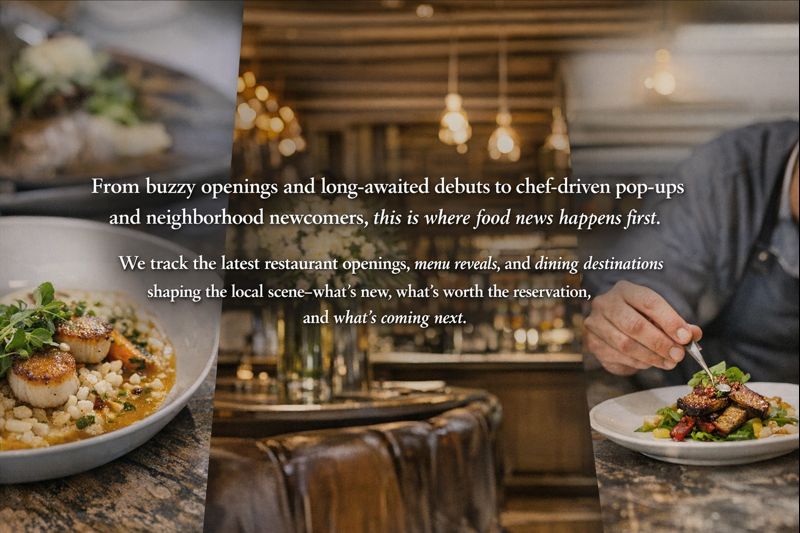
From buzzy openings and long-awaited debuts to chef-driven pop-ups and neighborhood newcomers, this is where food news happens first. We track the latest restaurant openings, menu reveals, and dining destinations shaping the local scene—what’s new, what’s worth the reservation, and what’s coming next.
Scarlett
Opening: January 9, 2026
8715 Beverly Blvd, West Hollywood, CA 90048
https://www.scarlett.love
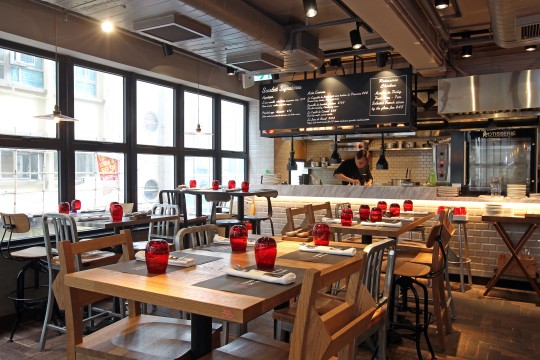
Scarlett debuts on Beverly Boulevard as an Italian‑Californian restaurant and lounge designed for social dining and late‑night energy. The menu blends Italian classics such as pasta and calamari with California coastal dishes, complemented by cocktails, live music, and an after‑dark vibe.
Lapaba
Opening: Late January 2026 (expected)
558 S Western Ave, Los Angeles, CA 90020
https://www.instagram.com/thelapaba
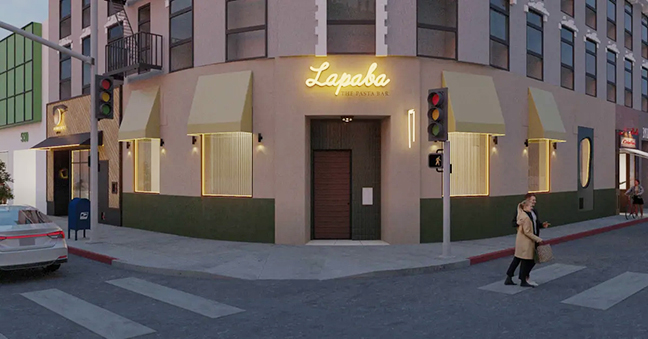
Lapaba, short for La Pasta Bar, is a highly anticipated Italian‑Korean fusion concept led by chef Nancy Silverton. The restaurant focuses on handmade pastas infused with Korean flavors, fermented ingredients, and inventive small plates served in a modern open‑kitchen setting.
Zampo
Opening: January 27, 2026
Inside Cameo Beverly Hills, 1224 Beverwil Dr, Los Angeles, CA 90035
https://www.cameobeverlyhills.com/zampo
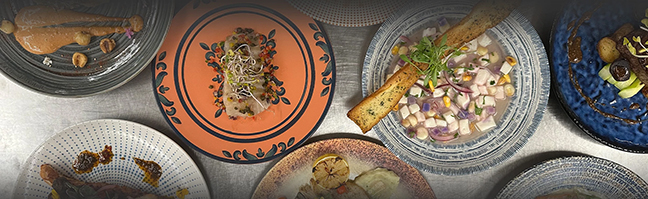
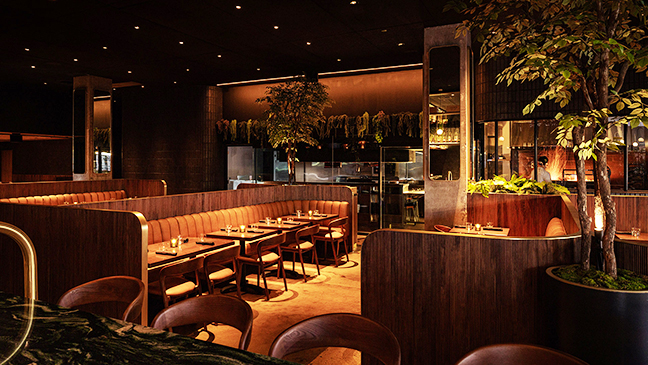
Zampo introduces a Peruvian‑Japanese Nikkei dining experience at the newly reimagined Cameo Beverly Hills. The menu highlights ceviches, seared seafood, soups, and lomo saltado, all presented in a sleek, design‑forward space.
Cheesesteaks by Matū
Opening: January 14, 2026
625B E Colorado Blvd, Pasadena, CA 91101
Cheesesteaks by Matū opens as a casual offshoot of the popular Matū steakhouse, focusing on premium grass‑fed Wagyu cheesesteak sandwiches. The menu is streamlined and approachable, offering dine‑in and takeout options ideal for lunch or dinner.

by Purity Osewe
Expert solo travel tips for Southern California cruisers. Discover the best cruises, solo cabin deals, top cruise lines, and advice on booking solo-friendly sailings from Los Angeles, Long Beach, and San Diego.

Ask the Experts: Solo Cruising for Southern California Travelers
Ever wondered what it’s like to step onto a cruise ship alone, unsure if you’ll have fun or meet anyone? That’s how Mia, a solo traveler from Los Angeles, felt when she first sailed from Long Beach.
But the moment she boarded, everything changed. Solo cabins, lively lounges, and fun excursions made her trip exciting, social, and unforgettable. By the end, she had explored a new city and made friends she still keeps in touch with.
Solo cruising from Southern California isn’t just possible — it’s an adventure full of freedom, connection, and discovery. Whether you’re departing Los Angeles, Long Beach, or San Diego, this guide answers the top questions solo travelers ask.
Q1: I’m a solo traveler and often find it difficult to identify who offers the best deals for solo trips. Are there any websites or resources you recommend to get clarity on this?
Finding affordable solo cruise deals can feel tricky because many cruise lines charge a single supplement, an extra fee for travelers in double-occupancy cabins. But don’t worry — there are some great resources specifically for Southern California travelers:
- CruiseCritic (Solo Travelers Forum): This is a goldmine for advice, updates on waived or reduced single supplements, and real experiences from other solo cruisers sailing from Los Angeles, Long Beach, or San Diego.
- VacationsToGo (90-Day Ticker): Perfect for last-minute departures. You can find discounted rates for Mexican Riviera, Hawaii, or longer West Coast repositioning cruises.
- Travelzoo: Curates solo-friendly deals and perks for West Coast travelers, like onboard credit or free Wi-Fi.
- Norwegian Cruise Line Studio Staterooms: NCL offers private solo cabins and an exclusive Studio Lounge — perfect for making connections. Their Mexican Riviera sailings from Los Angeles are very popular.
- Holland America Solo Traveler Offers: They often reduce or waive single supplements on sailings from San Diego, ideal for longer, relaxing trips.
With these resources, Southern California solo travelers can compare prices, track promotions, and find cabins that fit their budget and style.
Q2: Does age play a role in deciding whether a solo trip is right for someone? For example, you want to avoid all the children and party ships.
Age doesn’t really matter — what matters is the vibe of the ship and the kind of experience you want. Here’s a quick guide for solo travelers departing Southern California:
Tips for solo travelers from Southern California:
- Avoid peak school holidays if you want fewer families.
- Consider 7+ night itineraries for a more relaxed atmosphere.
- Pick cruise lines known for a calmer, adult-friendly vibe if peace matters to you.
With these considerations, solo travelers can easily find a cruise that feels just right.
Q3: Is solo travel really becoming more popular, and are there any statistics or facts to support this trend?
Absolutely! Solo travel is on the rise globally, and Southern California is no exception.
- More residents are embracing solo travel for flexibility, self-care, and freedom.
- Cruise lines sailing from Los Angeles, Long Beach, and San Diego have added solo cabins in response to growing demand.
- Mexican Riviera cruises are especially popular because many Southern Californians can drive to the port, avoiding flights.
- West Coast repositioning cruises offer longer voyages and great value, which appeals to solo travelers looking for adventure and relaxation.
The trend is clear: solo cruising is no longer a niche market, and Southern California travelers are helping lead the charge.
Q4: Which cruise lines are the most welcoming to solo travelers and offer the best deals?
If you’re sailing from Southern California, these cruise lines are especially friendly for solo travelers:
For a balance of comfort and social opportunities, Holland America, Princess, and Norwegian are excellent choices for solo travelers from Southern California.
Q5: Are Black Friday deals for solo travel better than other times of the year, or is there a better time to book a solo cruise?
Black Friday deals can be nice, offering perks like onboard credit or drink packages. On top of that, for Southern California solo travelers, the best deals often come at other times:
While Black Friday is worth checking, the most significant solo-specific savings are usually during Wave Season or with last-minute bookings.
Final Thoughts
Solo cruising from Southern California has never been easier. Whether it’s a quick weekend escape to Mexico or a longer international adventure, solo travelers departing Los Angeles, Long Beach, or San Diego can enjoy freedom, new connections, and unforgettable experiences — all without paying a premium for traveling alone.
Ready to cruise solo? Ask us anything and start planning your dream adventure today.
Best Cruises from Southern California:
Solo Cruise Destinations from Southern California
Mexican Riviera Cruises
Ports: Cabo San Lucas, Puerto Vallarta, Mazatlán, Ensenada
Why it’s great: Social atmosphere, warm weather, easy excursions, ideal for first-time solo cruisers.
Typical length: 5–7 nights
Baja California Short Cruises
Ports: Ensenada, Catalina Island
Why it’s great: Short, affordable, social weekend getaways.
Typical length: 3–4 nights
Pacific Coast Cruises
Ports: San Francisco, Seattle, Vancouver
Why it’s great: Scenic sailing, cultural cities, relaxed pace.
Typical length: 4–7 nights
Hawaii Cruises
Ports: Honolulu, Maui, Kauai, Big Island
Why it’s great: Deep relaxation, strong onboard community, nature-focused.
Typical length: 14–16 nights
by Randy Dunbar
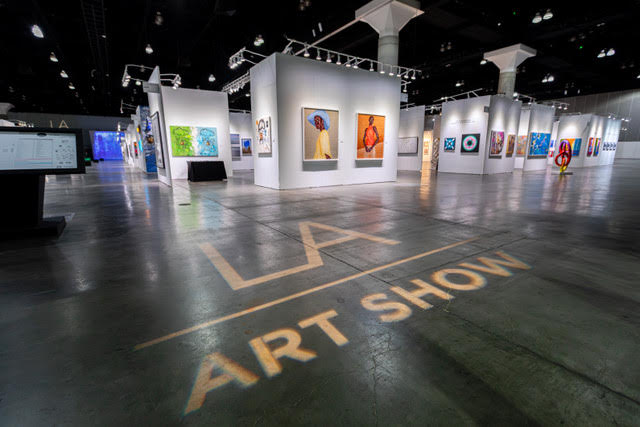
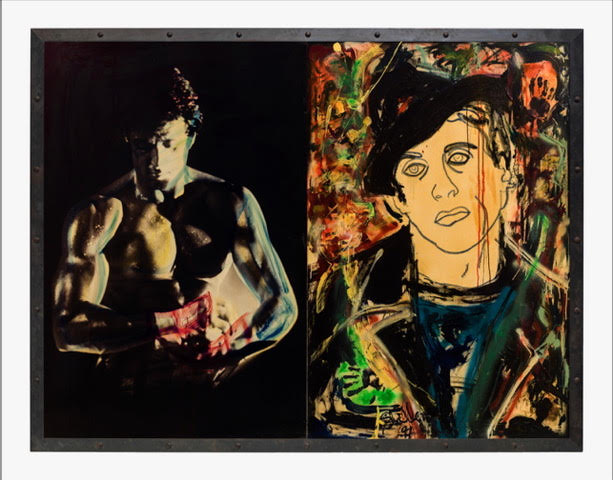
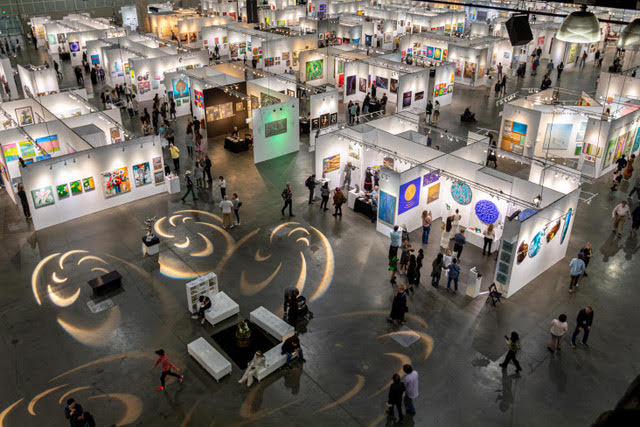
The LA Art Show (www.laartshow.com), LA’s largest and longest-running fair, returns for its 31st edition with more than 90 exhibitors from around the world, led by director and producer Kassandra Voyagis. This year’s fair features international highlights including Ireland’s first participant, Dublin’s Oliver Sears Gallery and Palm Beach’s Provident Fine Art with a solo presentation of Sylvester Stallone’s abstract works. Highlighting the dynamic intersection of music and contemporary art, this year’s fair will feature works by two notable British musicians: Paul Simonon of The Clash and Chris Rivers of Heaven’s Basement.
The fair will debut its new Latin American Pavilion, curated by Marisa Caichiolo-who was recently selected to co-curate Chile’s pavilion at the 2026 Venice Biennale. Centered on themes of memory, migration and identity, the pavilion explores representation, provenance and the evolving trajectory of Latin American art. “At a moment when immigration issues continue to disproportionately impact Latin American communities, it is especially important to provide a platform for these artists,” says Caichiolo.
The fair’s signature non-commercial platform, DIVERSEartLA, curated by Marisa Caichiolo, returns with “The Biennials, Art Institutions and Museums in the Contemporary Art Ecosystem,” exploring how contemporary art evolves through global biennials and museums, and how the two complement and challenge one another. The platform highlights their shared role as engines of artistic innovation, public engagement, and cultural dialogue.
LA Art Show takes place January 7 – 11 at LA Convention Center (1201 S Figueroa St, Los Angeles, 90015) and tickets start at $40 with the American Heart Association serving as the charity beneficiary, receiving 15% of proceeds from every ticket sold for their Life is Why ™ campaign.
We sat down with Kassandra Voyagis who is the Producer and Director of the LA Art Show, and asked some questions about the Fair and art in general:
Art in LA? Does LA have its own idiosyncrasies? What are the distinctions from New York, Paris or Miami?
Yes, I really notice that the scene in Los Angeles is interdisciplinary, experimental, and shaped by film, music, design, and technology, with an emphasis on collaboration and process.
The city’s scale allows for ambitious, risk-taking work that’s harder to sustain elsewhere while being rooted in diversity, global influences, and storytelling, LA’s art world is less about a single aesthetic and more about the many voices that reflect the dynamic and diverse host community.
LA is an important global arts destination and – as the City’s largest and longest-running fair – we are proud of the pioneering role with played in that. Artists and galleries from all over the world now understand the importance of showing in LA. For example, attending for the first time, Art of Contemporary Africa is presenting works from Dr Esther Mahlangu who is a globally acclaimed visual artist and much-loved cultural ambassador of the Ndebele nation. She was born in 1935 and has made a valuable contribution to contemporary art over 8 decades. This year’s fair will also see the first gallery from Dublin along with a growing presence from the U.K. and South Korea, amongst other countries.
Switzerland’s LICHT FELD Gallery will present the first public showing in more than 40 years of Karl A. Meyer’s woodcut prints, created during his transformative 1980s period on New York’s Crosby Street among the era’s most influential artists – work that fills a notable gap in the art history of that time. Corridor Contemporary will showcase internationally renowned Israeli artist Yigal Ozeri, celebrated for his large-scale, cinematic portraits of young women set against lush, evocative landscapes.
“The (art) scene in Los Angeles is interdisciplinary, experimental, and shaped by film, music, design, and technology, with an emphasis on collaboration and process.”
Has AI had any influence or involvement with the art movement? Or technology in general.
Yes, technology, including AI, is increasingly present at the LA Art Show, reflecting Los Angeles’ position at the intersection of art, innovation, and entertainment. Several exhibitors and DIVERSEartLA projects incorporate digital tools, data, mixed reality, and AI-driven processes, using technology not as a novelty but as a creative medium to explore perception, identity, and environment.
From immersive and mixed-reality installations to works that use biometric data, image processing, and algorithmic systems, the fair highlights how artists are engaging with emerging technologies to expand storytelling and audience interaction. This approach aligns with LA’s broader creative ecosystem, where art, film, tech, and design naturally intersect.
The LA Art Show was among the early major international art fairs to meaningfully feature NFTs and blockchain-based art during COVID when artists and galleries were not able to travel. This early inclusion reflected our willingness to engage with emerging technologies and evolving art forms, positioning digital and NFT-based works alongside traditional media and reinforcing the fair’s role as a forward-looking platform responsive to shifts in how art is created, collected, and experienced.
Also, one year we did an entire focus on AI for our educational platform, DIVERSEartLA, so it’s a subject we’ve long been showcasing.
How do subcultures—film, fashion, music, street culture—show up in the LA Art Fair, if at all?
They show up organically as Los Angeles is a city where subcultures constantly overlap, and that cross-pollination is reflected throughout the LA Art Show. Film, fashion, music, and street culture aren’t treated as side influences..they’re embedded in how artists work and how galleries present.
You see it in artists who move between music and visual art, in cinematic approaches to painting and photography, in fashion-driven aesthetics, and in street culture’s influence on materials, scale, and attitude.
The fair also embraces immersive installations, mixed media, and large-scale work, especially through our non-commercial platform, DIVERSEartLA, that mirror how culture is consumed in LA, visually, spatially, and collaboratively. Rather than fitting neatly into categories, these subcultural influences coexist, making the LA Art Show feel less siloed and more reflective of contemporary life in the city.
What is the state of the art world and the art world in the Southland?
Los Angeles and its surrounding cities are home to a broad range of visual practices, from experimental media and conceptual work to painting, sculpture, performance, and public art. The scene reflects the region’s cultural diversity, with strong voices from Latinx, Black, Asian Pacific Islander, Indigenous, and immigrant communities shaping artistic dialogue in meaningful ways.
LA Art Show plays a key role in shaping and supporting both the global art conversation and the cultural life of the Southland by acting as a connective hub, bringing together artists, galleries, institutions, collectors, and the public in one of the world’s most culturally influential cities.
At a local level, the fair provides broad access to international art without requiring Angelenos to travel. It introduces Southern California audiences to global voices while also elevating LA-based artists, galleries, and collectors within an international context. This accessibility helps cultivate new collectors, supports emerging artists, and strengthens LA’s creative economy.
On a broader scale, the LA Art Show reflects and advances the evolution of contemporary art. Through our non-commercial platform, DIVERSEartLA, the fair goes beyond the marketplace to create space for education, critical dialogue, and experimentation, which is still rare among major art fairs. This year also marks the debut of the Latin American Pavilion, curated by Marisa Caichiolo, a significant milestone for the fair. The pavilion advances the LA Art Show’s global mission by showcasing emerging voices from across the American continent and deepening the fair’s international scope.
Finally, the fair’s commitment to nonprofit partnerships and community engagement, which is seen through our support and donations to the American Heart Association, underscores our role as a cultural citizen. Together, these elements make the LA Art Show not just a marketplace, but a platform that nurtures dialogue, inclusivity, and long-term growth within the Southland’s art ecosystem and the global art world alike.
What qualities make one artist more distinct than another? Do stars emerge from the show?
Distinct artists tend to have a recognizable point of view that feels authentic rather than derivative. This is often paired with strong craftsmanship, intellectual rigor, and the ability to communicate ideas that resonate beyond the studio. Equally important is an artist’s willingness to take risks and evolve, while maintaining a coherent voice over time. Context also matters: artists who engage meaningfully with cultural, social, or technological shifts often feel especially relevant and memorable.
Yes, stars emerge from the LA Art Show with one example that comes to mind is popular local artist, Robert Vargas, who was involved from the early days of the fair as an unknown artist who has since become famed for his distinctive and large-scale murals, which have helped energize the city’s public art scene.
The fair has long been a launchpad and amplifier rather than a hype machine. Many artists gain critical visibility and collector interest through the show, sometimes marking a turning point in their careers.
I like to think of LA Art Show contributing to career momentum rather than instant celebrity. It creates conditions where artists can be discovered, contextualized, and supported within a broader ecosystem that values substance, diversity of voices, and staying power over flash.
Also, LA Art Show attracts many starts stars with one from this year’s iteration being Sylvester Stallone whose abstract art work will be featured in a solo presentation at Provident Fine Arts booth, making their LA Art Show debut from Palm Beach.

Kassandra Voyagis serves as the Producer and Director of the LA Art Show, which is recognized as the longest-running and most extensive contemporary art fair on the West Coast. With over 16 years of experience within the organization, she moved from the position of Executive Director to her current leadership role in 2021.

by Anthony Stafford
Over the years, I have come to truly appreciate a good bag. It’s in my experience with one brand in particular, that I have learned about all of the features and traits that set them apart; and just how much thought should really go into making these choices. As the holiday rush descends upon us, it’s only appropriate to share what I’ve learned, experienced, and what I now use as my standard when looking into bags (and more) when shopping.
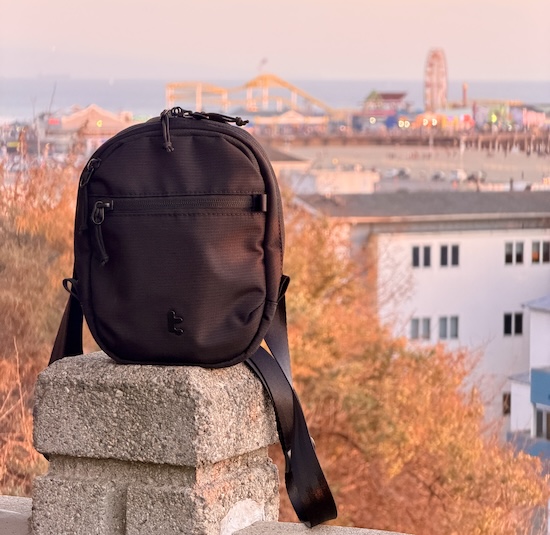
The tomtoc Aviator-T37 with a backdrop of the Santa Monica Pier.
From backpacks to weekenders, and even accessory needs, there’s one brand in particular that is doing just about everything right. Whether you’re fulfilling your duties as a holiday shopper, thinking about what to gift for someone else, or just spoiling yourself, tomtoc is a brand that will meet any holiday goals you’ve set!
Tackling Everyday Needs
One of the most important things to understand about tomtoc is that they actually offer more than just bags, combining some of the best features throughout their lineup for the ultimate new releases. Founded in 2016 by a tech-savvy group, they specialize in everything from device cases and sleeves, to everyday carry slings, and travel bags. And one of my favorite things about tomtoc is how cohesive much of this lineup is. With tech at the forefront of our modern lives, there is always intention behind the team’s design choices. And that becomes clear when you see just how much the brand embraces everything from phones to gaming devices.
I got my first introduction to the tomtoc brand some years ago with the Defender-A13 Sleeve for the 14-inch MacBook Pro. Professional, slim, and oh, so sleek, I was deeply impressed with how secure my laptop felt. Beefy 360º corner and edge armor removes some of the anxiety that drops can imbue, while the ultra soft interior padding guaranteed that even flat falls don’t stand a chance. The included tech pouch also meant that my charging cable and brick had a place to go (with room to spare) without causing clutter or added thickness to the sleeve.
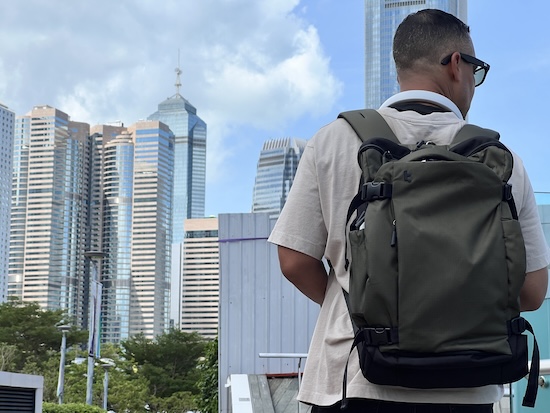
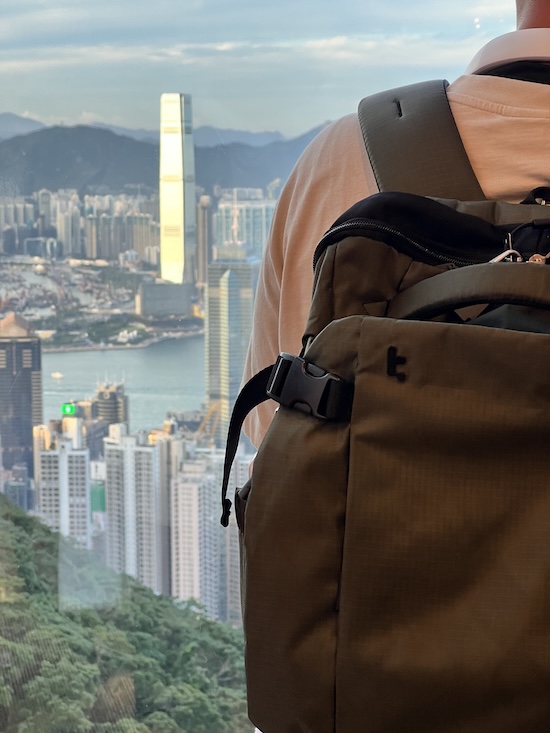
Most recently, along comes the fairly new Navigator T66 Liteway – this version being an X-Pac-made (a strong, durable, and easy-to-clean material), 40-L capacity, travel bag that works as a weekender or backpack. The Liteway, like most of tomtoc’s other products, comes in varied size, color and fabric options. During a recent trip to Hong Kong, I got my first hands-on experience with a good friend’s Liteway T-66. Initially wooed by its warm green and black color way, it wasn’t until I witnessed how much the bag could fit, and how comfortable it was to wear during my international journey that I decided I needed my own. Priced competitively, tomtoc is often undercutting luxury and well-known brands, while outshining them in quality.
The real takeaway from these experiences is that no matter what size or color you go for, there’s a right one for everyone, and each is capable of carrying your everyday tech needs. Daily slings, cases, bags, and pouches often show a primary device and all the extras, confirming that even your most outlandish items have a place with tomtoc. As the holidays creep closer, the company has special markdowns on a selection of products, from 10-20% off. These deals will stick around through December 21st, and from December 26th through December 30th. I’d take a bet that there is even more in store for tomatoc’s 2026!
Quality with the Environment in Mind
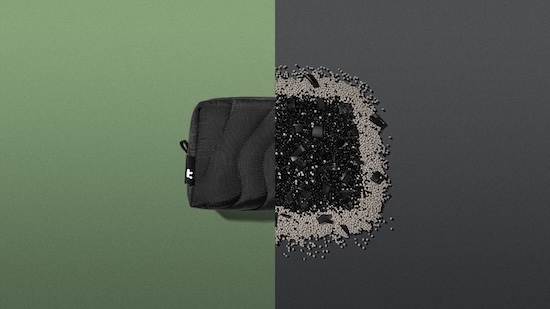
One of my favorite things about tomtoc, outside of the products, is their commitment to the planet we call home. The company keeps “sustainable style” in mind with every new design, and in 2020, launched their Recycled Collection series. This collection uses recycled polyethylene tetraphyste (RPET) for a smoother feel, and mechanical properties that rival traditionally made products.
Credit: tomtoc
As of October 2023, tomtoc has recycled 2.3 million plastic bottles, effectively giving them a new lease on life as deeply loved pouches and bags used every day. tomtoc notes that approximately 500+ tons of carbon emissions were reduced through this program and recycling process. Learn more about tomato’s recycling program and see the full tomtoc Recycled Collection here.
Centered Around Community
The best part of any brand is arguably the community they build. tomtoc, not a stranger to having an involved community, launched their very own Discord server this year, just ahead of the launch of the Nintendo Switch 2. This perfect timing fueled by the excitement of the new console launch, tomtoc’s eventual FancyCase-G05 Nintendo Switch 2 Slim Case releasing alongside it, and a community design contest, led to rapid growth.
Now, as the community surpasses 2,000 members, they have found their footing with daily and weekly events, an abundance of opportunities for free prizes, a more personal connection to the folks behind the brand, and even a chance to spin a prize wheel! (Who doesn’t like spinning a prize wheel?!)
In what has to be one of the strongest brand-community relationships I’ve seen and heard about, it’s refreshing to see tomtoc take care of their community in the way that they do. Even more impressive is the community’s own positive input about how the brand takes care of everyone, encouraging all feedback – good or bad – about their products, and even how they run the server itself. Inside jokes, community game nights, daily guessing games, a “digital time capsule”, and a deeply imaginative tomtoc lore have all taken hold as some of the brightest highlights surrounding the community.
While joining the Discord community myself may put me way in over my head, I wouldn’t mind a few tries at their now famous “Guess What’s in My tomtoc Bag” daily games. These games involve one host from the community placing a mystery item in their bag while everyone else takes a few guesses at what it could be.
Available in over 100 countries, tomtoc is available directly at their respective regional websites, and also on Amazon where you can find products that may not be listed on the website for your region, and more. Get in on the holiday fun while you can, and join the community where there’s plenty of conversation surrounding video games, tech, tomtoc knowledge, and more!
by Dennis Richardson
Candy canes and hot chocolate, and milk and cookies are old classics for the holidays, but let’s be real. These duos are simply outdated, with even better sweet treats bursting onto the holiday scene!
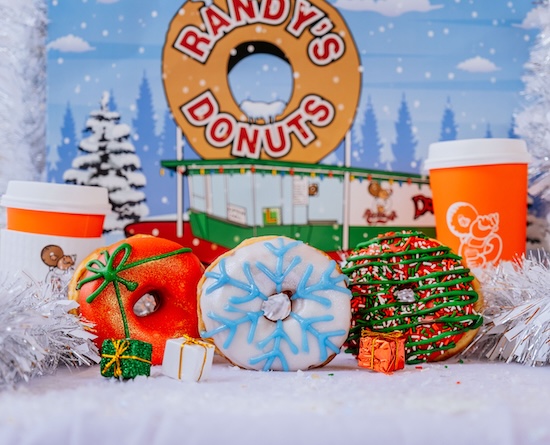
LA’s famous Randy’s Donut’s have launched new limited-time holiday donuts, and now through December 22, Randy’s Donuts will also be offering Hanukkah Rounds, a celebratory seasonal offering with sweet Raspberry jelly inside and powdered sugar on top. The 3 varieties being offered this holiday season include:
- 🎀 Holiday Bow Donut: A show-stopping donut topped with a glossy red “bow” that instantly elevates holiday dessert tables and social feeds.
- ❄️ Snowflake Donut: A wintery vanilla-iced donut adorned with delicate snowflake designs—perfect for themed gatherings and photo-forward coverage.
- ✨ Holiday Sprinkles Donut: A cheerful classic dressed in red, green, and white sprinkles, tapping into nostalgic flavors and festive presentation.
The latest drop comes after a playful Halloween of spooky themed sweets, like Spider and Halloween sprinkle donuts, and a collaboration with CALPAK. The CALPAK collaboration saw the two brands partner for The Cherry Escape Donut, a dark cherry-glazed treat topped with a luggage tag wafer. The creation was inspired by CALPAK’s signature color and adventurous spirit, blending bold travel style with bold flavor.
Pick up your holiday haul at your local Randy’s Donuts while supplies last, and look forward to more creations and celebrations in 2026!
by Anthony Stafford
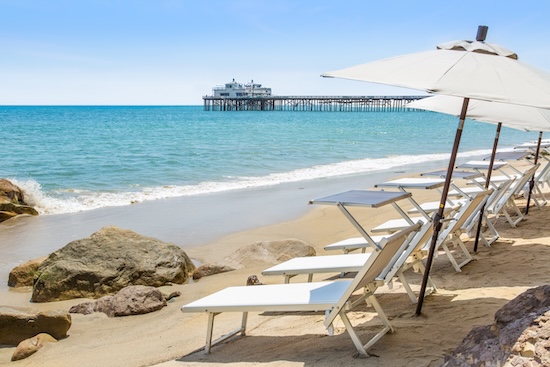
It’s been nearly a year since the devastating wind-whipped fires that reshaped the lives of Angelenos. And from the ashes, signs of life continue to show with newly constructed homes reclaiming their places, and entire swaths of the Malibu coastline seemingly breaking out from the once barren landscape. Malibu itself is experiencing a powerful return, one marked by resilience, renewal, and the unmistakable spirit of community. From the reopening of the PCH to the revival of beloved local favorites, the town is once again inviting visitors to experience the beauty and calm that define this coastal haven.
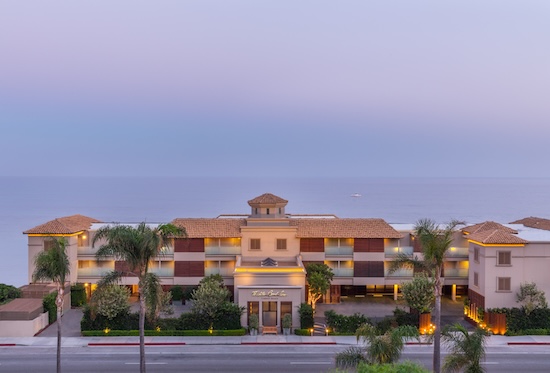
All photos credit of Malibu Beach Inn.
Now, with the holidays upon us, Malibu Beach Inn — the oceanfront icon on Carbon Beach that has long served as a retreat for locals and travelers alike, even during the fires, is celebrating the season with thoughtful dining experiences at its award-winning Carbon Beach Club, where coastal California cuisine meets the Pacific.
“You can feel the sense of renewal and resilience throughout Malibu,” says Gregory Day, Managing Director of Malibu Beach Inn. “This festive season, we’re especially grateful to welcome guests back to the beach — to celebrate togetherness, new beginnings, and the enduring spirit of this community.”
Malibu Beach Inn, with its cozy beach home vibes, remains one of the most ideal destinations for a luxurious and boutique hospitality experience. It encapsulates some of the the best of what the West Coast has to offer, while having a unique footprint of its own. Welcoming friends, families, and colleagues for any and all holiday occasions, this is what Malibu Beach Inn has in store to celebrate:
Christmas Day Dining: Reservations available here.
$85 per guest | $125 including wine pairings
On Christmas Day, Carbon Beach Club invites guests to indulge in a three-course prix fixe menu served 4 – 9 p.m., featuring dishes such as:
- ROASTED GARLIC AND ARTICHOKE TARTINE roasted garlic and artichoke, za’atar, persian cucumbers, gaeta olives, and micro cilantro
- SCALLOPS AU POIVRE seared scallops finished with a green peppercorn au poivre sauce, served over parsnip purée with tender bok choy paired with Heavensake Junmai Daignijo Noir, Japan, NV
- CARAMEL CORN PANNA COTTA creamy panna cotta layered with sea salt caramel, roasted peanuts, and buttery caramel corn paired with Dolce by Far Niente, 2017
Private Dining & Holiday Celebrations
Carbon Beach Club’s private dining spaces offer the perfect backdrop for unforgettable holiday gatherings. Custom menus highlight local produce and seasonal ingredients, complemented by more than 250 global wines—including rare and limited editions—that have earned the restaurant a Wine Spectator Award for 10 consecutive years. Highlights include:
- The Terrace: Perched above Carbon Beach Club with some of Malibu’s best ocean views; seats up to 50 or hosts 75 standing
- The Private Dining Room: An intimate space for up to 20 guests with floor-to-ceiling windows and coastal views
- The Lounge: Adjacent to the bar, this versatile space can be combined with the dining room for larger celebrations
by Randy Dunbar
Disruption, adaptation, and what comes next
Southern California has always been a testing ground for new creative technologies. From the advent of sound in Hollywood to digital cinematography, CGI, and streaming, the region’s industries have repeatedly reinvented themselves. Artificial intelligence is the latest—and most disruptive—force yet.
AI is no longer theoretical. It’s actively rewriting workflows across entertainment, media, advertising, design, and journalism. The question is no longer if AI will change creative work, but how deeply—and who benefits most.
Where AI Is Having the Biggest Impact
Film & Television
AI is already embedded in pre-production and post-production. Script coverage tools summarize screenplays in seconds. AI-assisted editing speeds up rough cuts. Visual effects houses are using machine learning for rotoscoping, crowd simulation, and background generation—dramatically reducing labor time.
What remains sensitive is performance. The 2023 writers’ and actors’ strikes put strict guardrails around AI-generated scripts and digital likenesses, highlighting widespread concern about authorship and consent.
“AI is great at accelerating process, but terrible at replacing intention,” says a Los Angeles–based post-production supervisor. “You still need human judgment to tell the story.”
Advertising & Marketing
Agencies across Los Angeles and Orange County are embracing AI faster than Hollywood. AI now generates first-round copy, image concepts, A/B testing variants, and campaign insights in minutes instead of weeks.
The result? Leaner teams—but higher output expectations.
“Clients expect speed now,” notes a creative director at a Santa Monica agency. “AI didn’t eliminate creativity—it eliminated excuses for being slow.”
Journalism & Publishing
Newsrooms and magazines are using AI for research support, transcription, SEO optimization, and audience analytics. AI can summarize interviews, suggest headlines, and identify trending topics—but original reporting remains firmly human.
For independent publications, AI tools are becoming survival tools rather than luxuries.
“AI lets small editorial teams punch above their weight,” says a digital editor at an independent California publication. “But credibility still comes from human sourcing and voice.”
Design, Photography & Visual Arts
Designers are increasingly using AI for concept ideation, mockups, and visual experimentation. Photographers are seeing AI affect stock imagery most—where generic visuals are easily replaced by generated images.
Custom, experiential, and editorial photography, however, remains resilient.
“Clients don’t want perfect images,” says a Malibu-based photographer. “They want real moments, taste, and point of view—AI struggles with that.”
Is AI Replacing Jobs—or Raising the Bar?
The truth lies somewhere in between.
Routine, repetitive, entry-level tasks are being automated. Junior roles that once handled basic editing, transcription, or social content now require higher-level thinking. At the same time, new hybrid roles are emerging—creative technologists, AI supervisors, prompt designers, and data-informed editors.
In effect, AI is compressing career ladders.
“The middle is shrinking,” says a USC media studies professor. “You either bring strategy and taste—or you risk becoming interchangeable.”
Southern California’s Unique Position
SoCal is both vulnerable and advantaged. The region hosts massive labor forces—writers, editors, designers, performers—but also the leading entertainment studios, ad agencies, and tech-forward startups shaping AI policy.
Crucially, unions, universities, and creatives are pushing back when AI threatens to erase authorship or exploit likeness. This tension may help SoCal set national standards rather than follow them.
The Future: Human-Led, AI-Assisted
The likely outcome isn’t an AI takeover—it’s a recalibration. AI will handle speed, scale, and repetition. Humans will handle meaning, taste, ethics, and originality.
The creators who thrive will be those who learn to direct AI, not compete with it.
“AI is a tool,” says one veteran producer. “It’s powerful—but like every Hollywood tool before it, it still needs a human who knows what story they’re trying to tell.”
For Southern California’s creative industries, the message is clear: adapt early, lead thoughtfully, and protect what makes creativity human. AI may change how stories are made—but people will still decide which stories matter.
by Gary Domasin
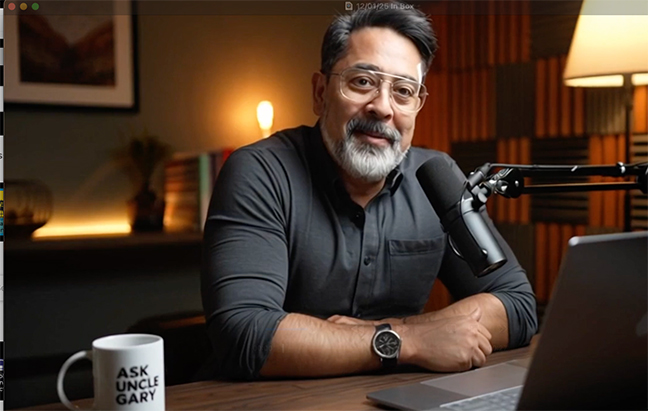
Welcome to Ask Uncle Gary, a new recurring corner of SoCalMag.com where wisdom meets West Coast wit. Gary—equal parts sage, storyteller, and straight-shooter—has spent a lifetime watching the Southland evolve, and he’s here to share the kind of insight only experience can teach.
Whether you’re navigating life, love, careers, or the curious quirks of Southern California living, Uncle Gary offers thoughtful guidance with a warm dose of humanity.
Have a pressing question? A dilemma you’d rather not bring to the group chat?
Uncle Gary is here for you—send yours in and get the advice you didn’t know you needed.
Page 2 of 13«12345...10...»Last »