 Travel had become burdensome: airports, luggage fees, crowded airplane seats, long flights, bad food. But, it was the way to get from place to another. So you pack the bags, find your seat and head into the skies for things less known. First stop was Hong Kong, still one of the most visually compelling cities in the world. It was their National China Day holiday so everything was more crowded than usual. But we arrived. And so it began. After a week in Hong Kong it was time to visit Japan. It was October and we planned on visiting Osaka, Kyoto, Sapporo and Tokyo. Here are the observations:
Japan stands apart from most places in the world — its food, culture, and way of life are strikingly unique. It’s also a country that excels in technology, transportation, and etiquette.
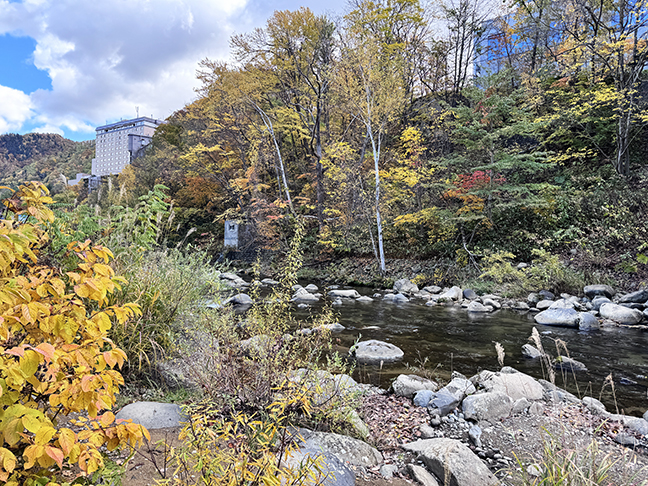
We dashed to Osaka from Hong Kong (more on that later) and settled into a small local neighborhood near the train station. It was unseasonably warm, and many people — especially the elderly — were out on their bicycles, heading to markets.
Osaka is known for its food, energy, and humor. It’s often called Japan’s “kitchen” because of its street food — takoyaki (octopus balls), okonomiyaki (savory pancakes), and kushikatsu (fried skewers). The city has a loud, friendly vibe that contrasts with Tokyo’s formality.
Overall, Japan seems to have more restaurants per block than just about anywhere.
Our first night, our host invited us to an exclusive evening at Gucci Giardino. Opened in Umeda, Osaka, in November 2024, it’s the second Gucci bar in the world — the first being in Florence, Italy.
We’re greeted at the door and escorted upstairs to a swank, intimate bar. Our bartender, Mari Tsujimura, spoils us with bespoke cocktails. In time, we’re joined by Chef Taffarello Alessio, who presents refined dishes — elegant, thoughtful, and unmistakably Italian.
The atmosphere is relaxed, inviting conversation and friendly exchanges, even within the limitations of language. When we leave, we’re literally walked to the door, bowed to, and thanked — a gesture of hospitality that feels both formal and heartfelt. We step out into the balmy Osaka night.
The next day, we head out on the bullet train to Kyoto.
Kyoto is known as the cultural heart of Japan — a city where over a thousand years of history, art, and tradition are beautifully preserved. Once Japan’s imperial capital (794–1868), it remains one of the most enchanting cities in the world.
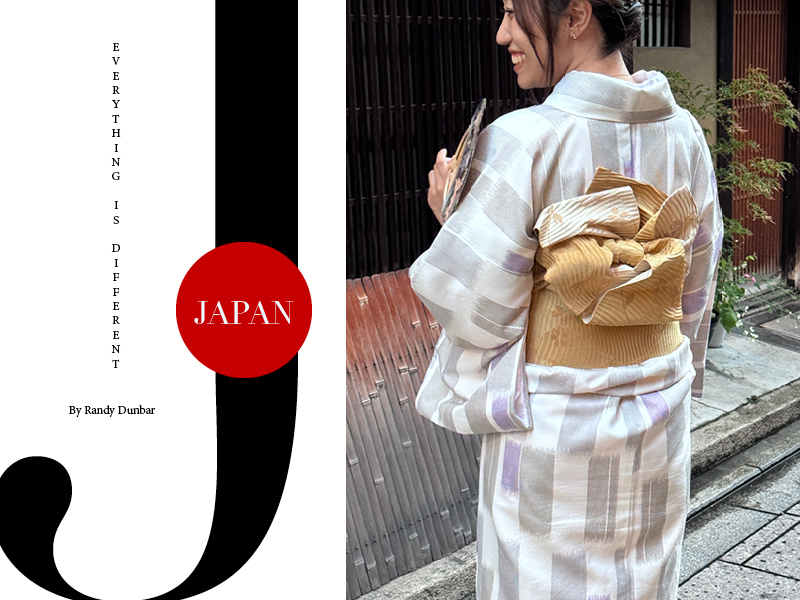
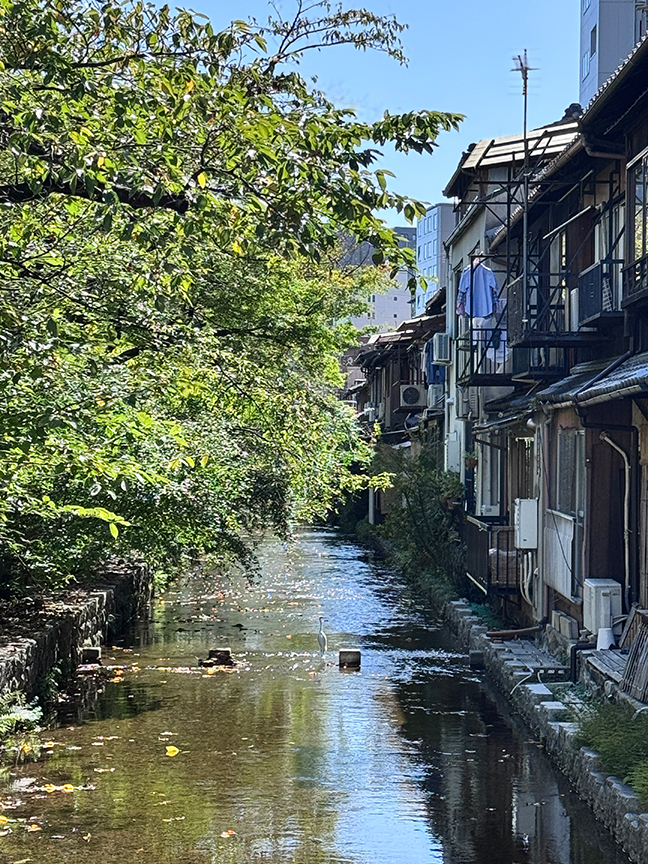
Our destination is the Gion District, Kyoto’s most famous and historic neighborhood, known as the city’s traditional geisha quarter. It’s a place where old Kyoto’s charm still thrives — narrow cobblestone streets, wooden machiya (townhouses), lantern-lit teahouses, and an atmosphere that feels centuries old.
And it is stunning.
Maybe it’s because it’s autumn, or because it’s late afternoon, but Gion feels like a living postcard — calm, perfectly lit, touched by history. There’s a sense of quiet art direction in everything: the colors, the scents, the soft shuffle of sandals on stone. Every now and then, you glimpse a geisha walking gracefully to work, and time seems to pause.
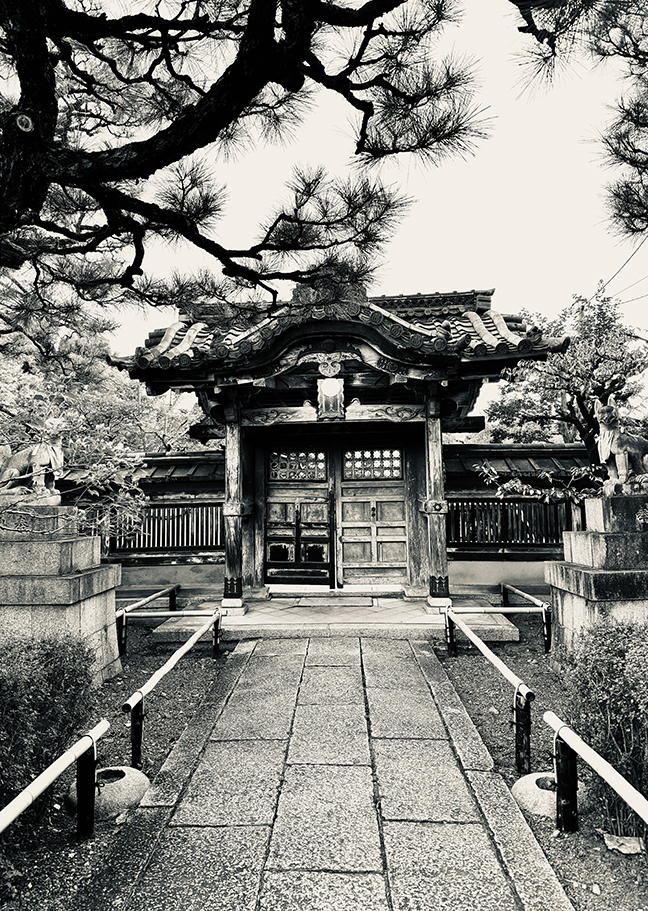
Kyoto is a city of shrines and temples — about 400 Shinto shrines and more than a thousand Buddhist temples. The most famous is Fushimi Inari Taisha, known for its thousands of red torii gates. It’s also where you’ll find thousands of tourists. If you’re hoping for a serene photograph beneath the gates, patience (or luck) will be required.
Kyoto is also celebrated for Kyo-ryori, a cuisine that emphasizes subtle flavors and seasonal ingredients. But on this night, we opt for something local to our neighborhood — a small Italian restaurant called Il Tobanchi, a creative bar tucked inside a renovated machiya on Sanjo Ogawa.
The owner, chef, and all-around fun host is Toba, who serves a delightful mix of Japanese-Italian dishes. His wife and pet dog sit next to us, engaging in lively conversation about Kyoto, his family, and Japanese cuisine. We learn that Toba was actually born on this property and that his parents live in the back.
In many ways, Kyoto represents a part of Japan defined by quiet beauty, calm, and culture. The few days spent here are like postcards — vastly different from Osaka and especially Tokyo.
We head back to Osaka on the bullet train.
The trains in Japan are fast and efficient, but not particularly eventful. If you have a reserved seat, you simply take it and stay there for the duration. There’s no food car, but a woman with a food cart strolls by every so often. The kōmuin, or conductor, also passes through each car, and it’s worth noting that in Japan, as they enter and exit, they slightly bow.
Japan itself is an exercise in cleanliness. Japanese culture emphasizes personal hygiene, and washing after using the toilet is considered much cleaner than using only toilet paper. Japanese companies like Toto pioneered the “washlet” — a high-tech toilet with integrated bidet functions — in the 1980s. These became popular because they combined comfort, hygiene, and convenience. The washlet, or bidet, is now ubiquitous. You’ll find them in train stations and department stores — pristine, spotless, and immaculate — and, of course, in most homes.
This sense of cleanliness also extends to the gym experience in Japan. When you enter the locker room, you’re required to remove your shoes. You walk barefoot, but if you need to use the restroom, you’re offered public slippers. Once you return to the workout area, you put your shoes back on. But wait, there’s more: at every workout station, there’s a disinfectant bottle and rag to wipe down the equipment when you’re finished.
Much of this mindfulness stems from Japan’s population and culture. With 125 million people, it’s one of the most densely populated countries in the world. The nation is roughly the size of California, yet every inch feels considered. Cars tend to be small and boxy, apartments compact, and people — as a culture — remarkably in tune with one another.


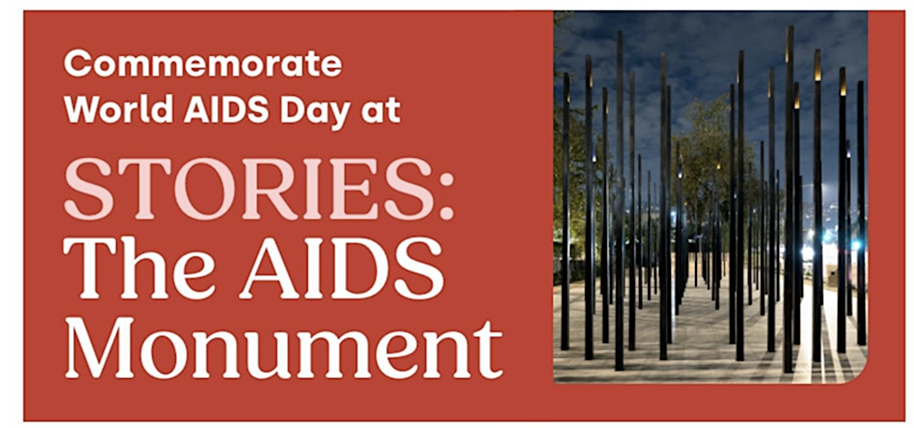 Join us for World AIDS Day on the evening of Monday, December 1 at the newly opened STORIES: The AIDS Monument.




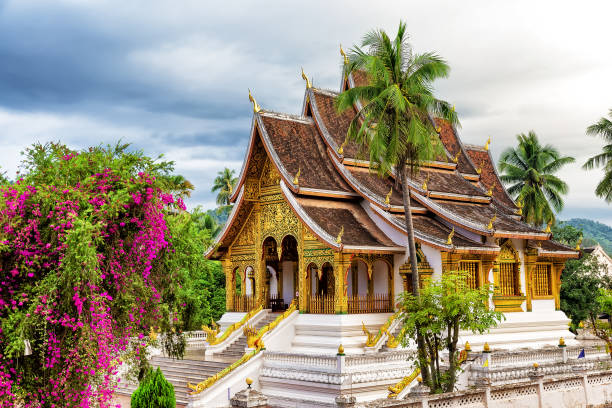



 This Saturday night in Santa Monica, The Burlesque Gala presents an evening of celebrating the venerable art of Burlesque. An annual event held at the Illusion Magic Lounge. You’ve seen the movie, now see a show featuring dozens of artists performing that thing called Burlesque.
 It’s been three weeks since ComplexCon wrapped and my feed is still flooded with clips, outfits, and booth recaps. That says a lot. ComplexCon has managed to do what most festivals and conventions can’t. It creates moments that actually live way beyond the weekend.




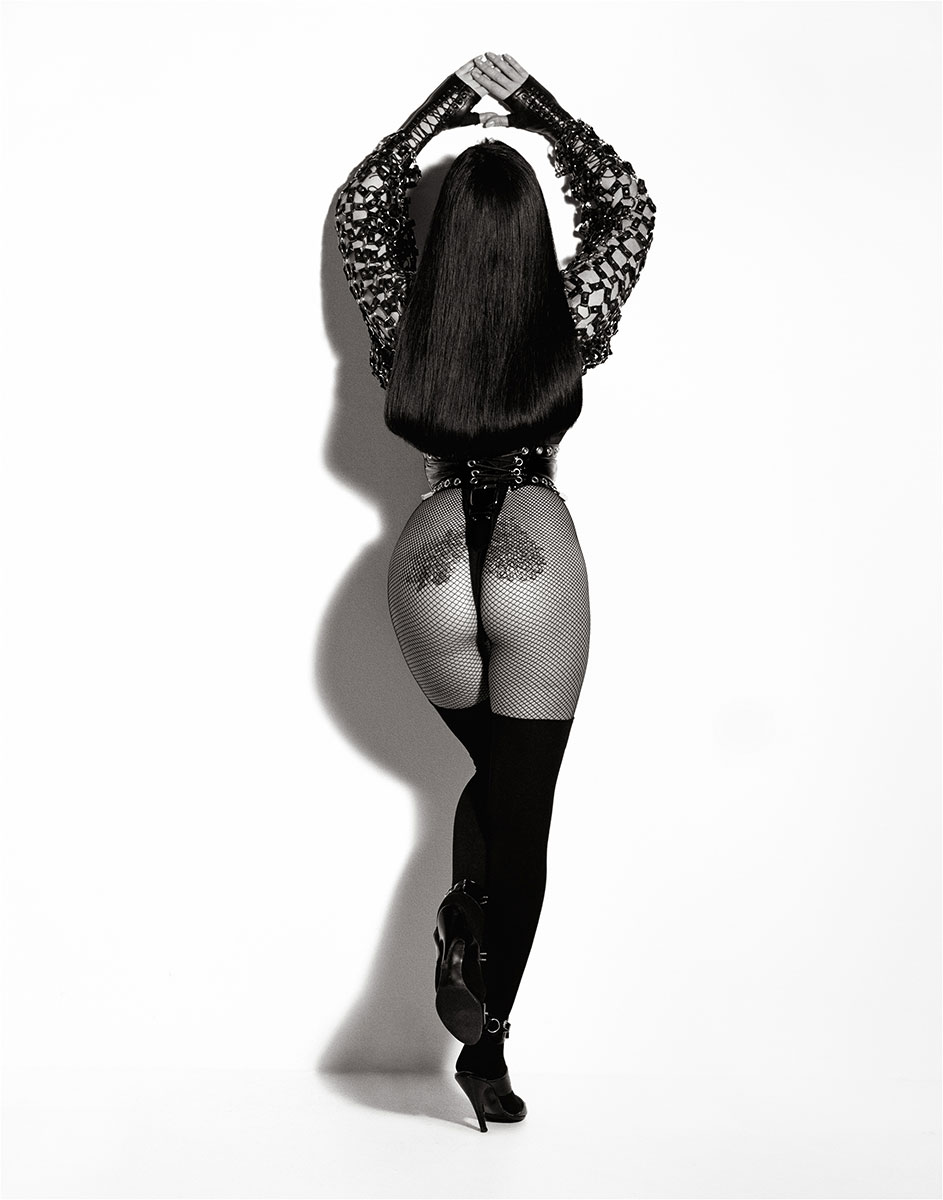







 Davon Moseley (better known as
  Did you have a specific favorite meal as a kid?
 If you could give every human being on earth a gift, what would that be?